Q-SUCCEED-North · Watertown, NY

Activities & Experiments

A visual record of the hands-on experiments Q-SUCCEED-North students have explored, from building model cleanrooms to watching light behave like a wave.

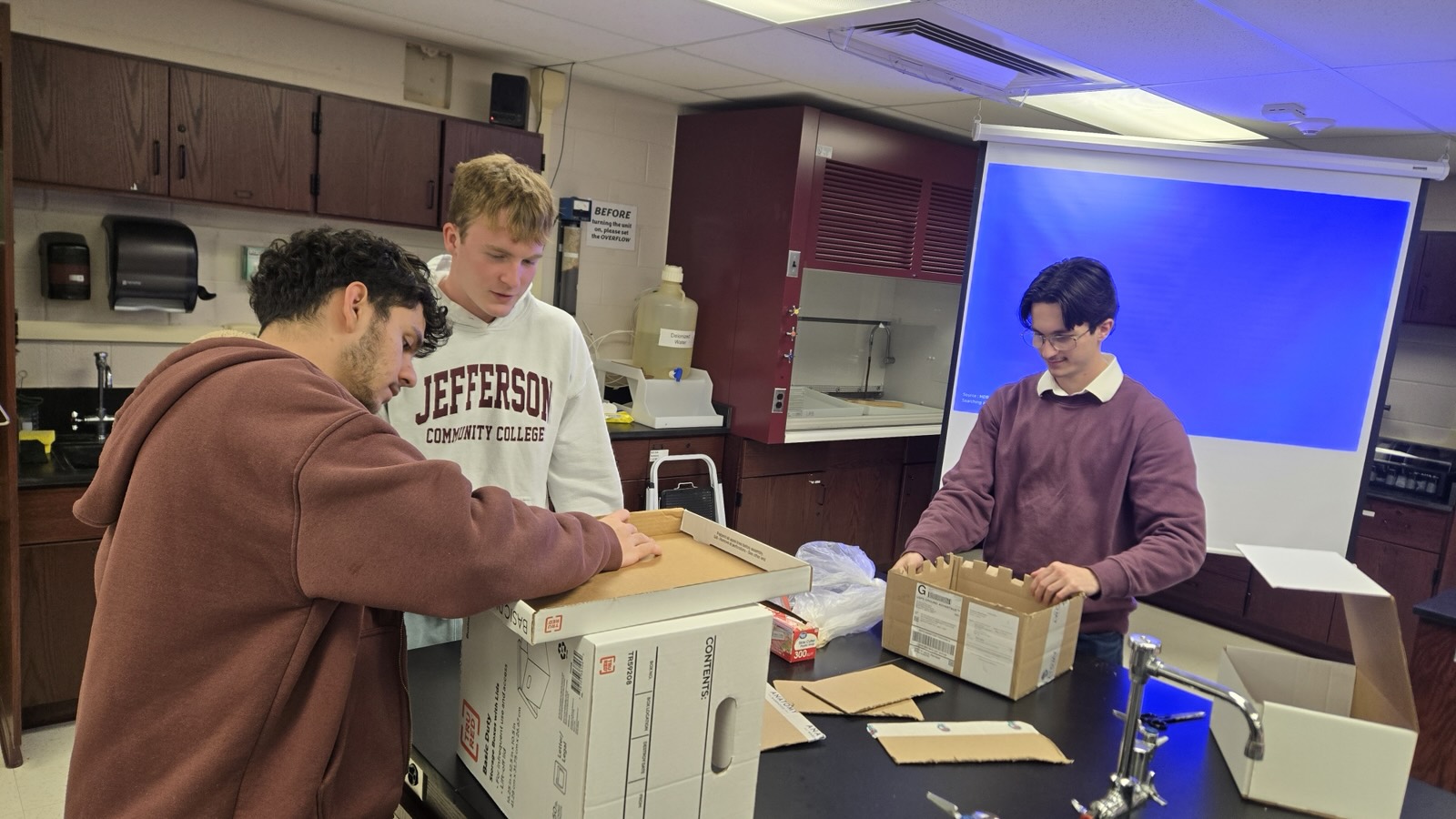
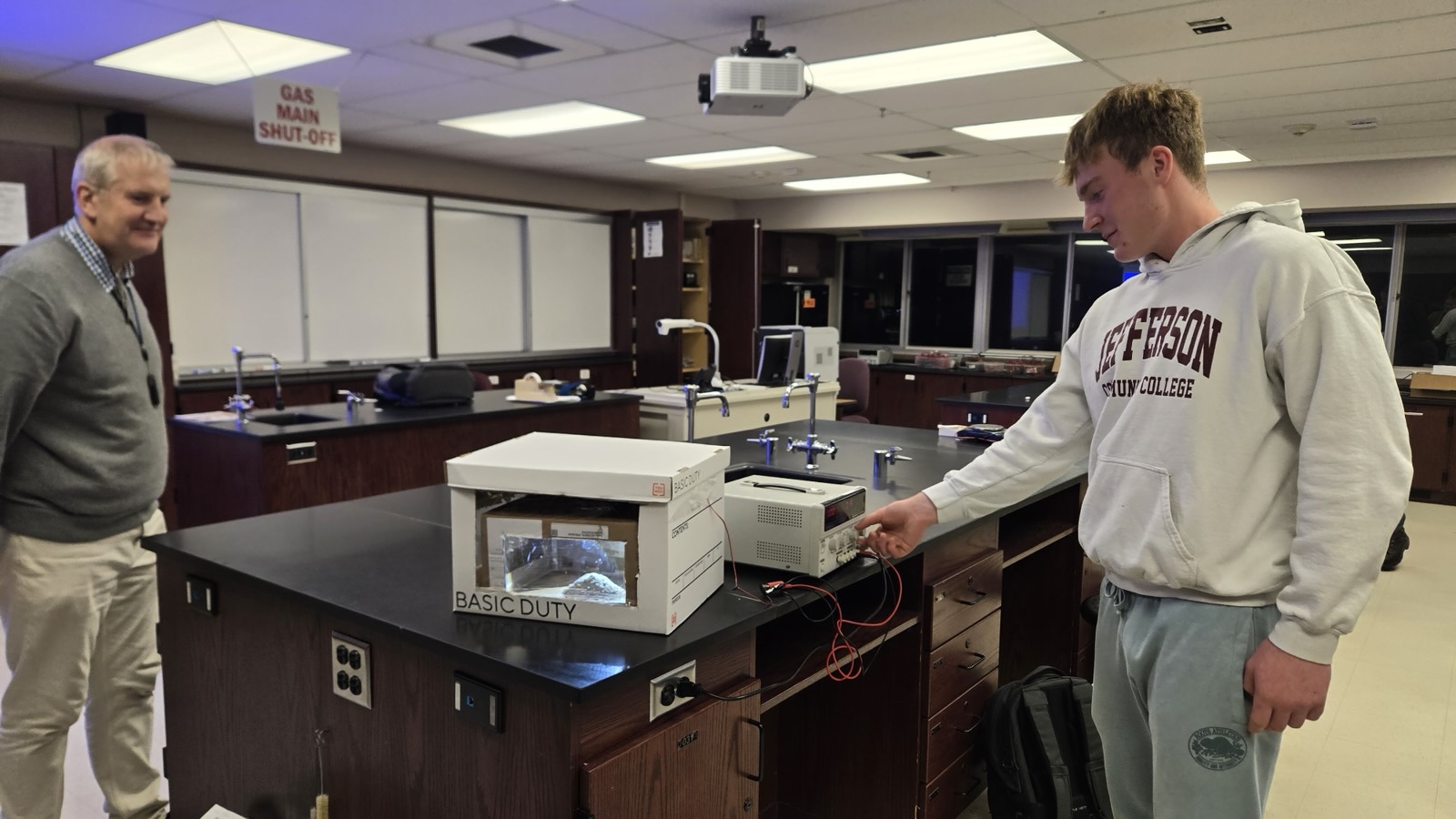
Students in a Jefferson sweatshirt assembling a cardboard cleanroom model

Cleanrooms

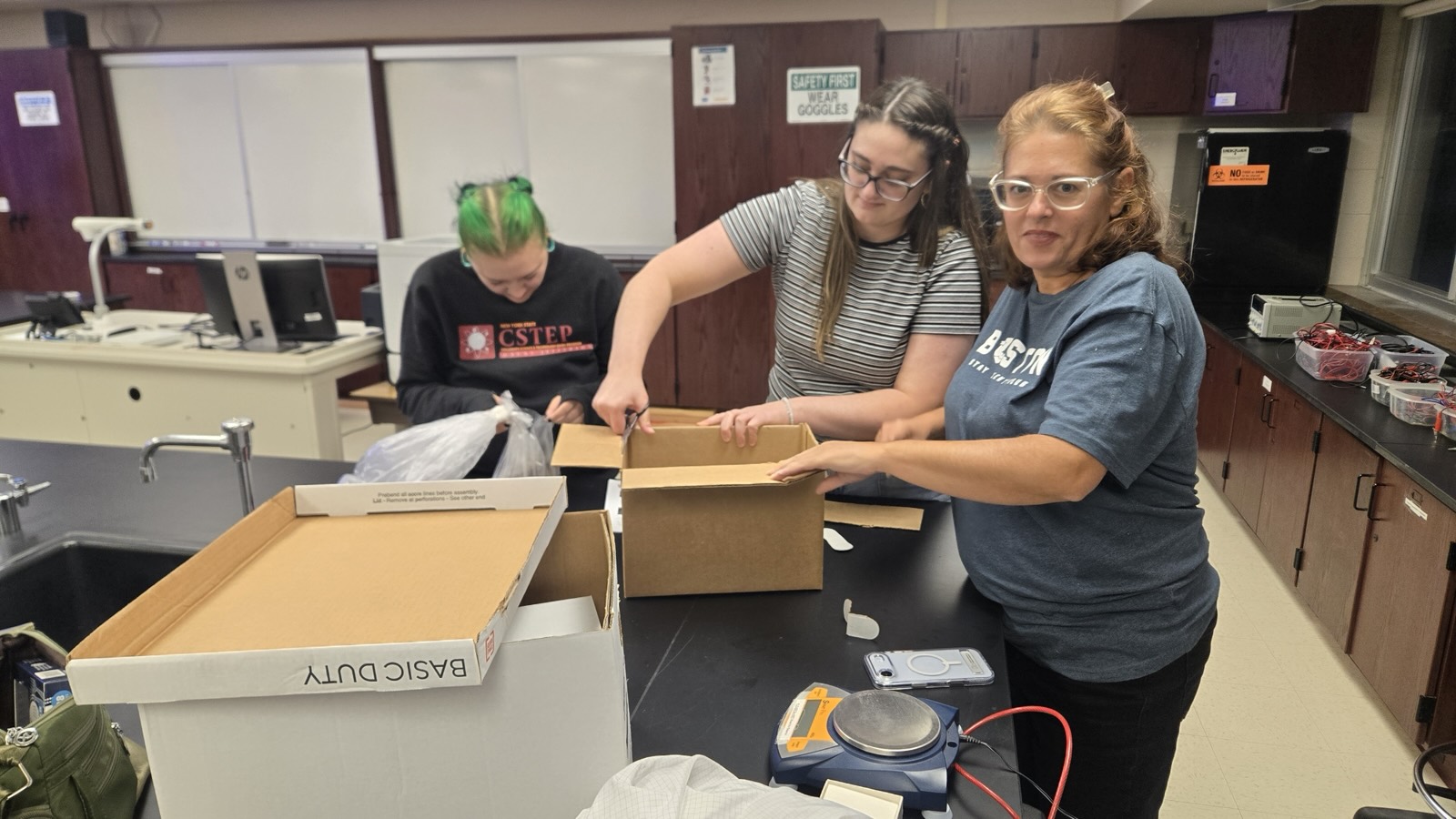
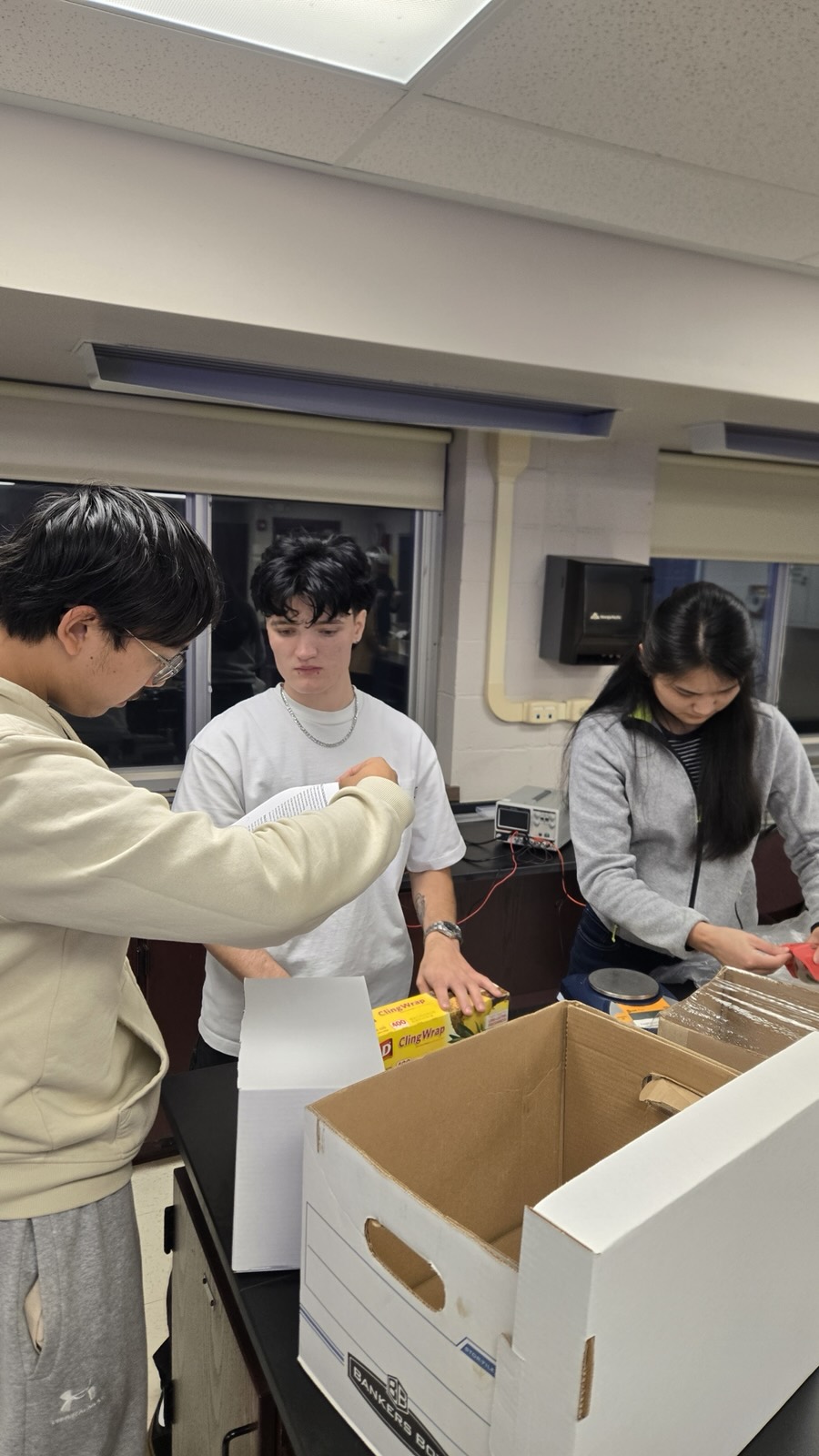
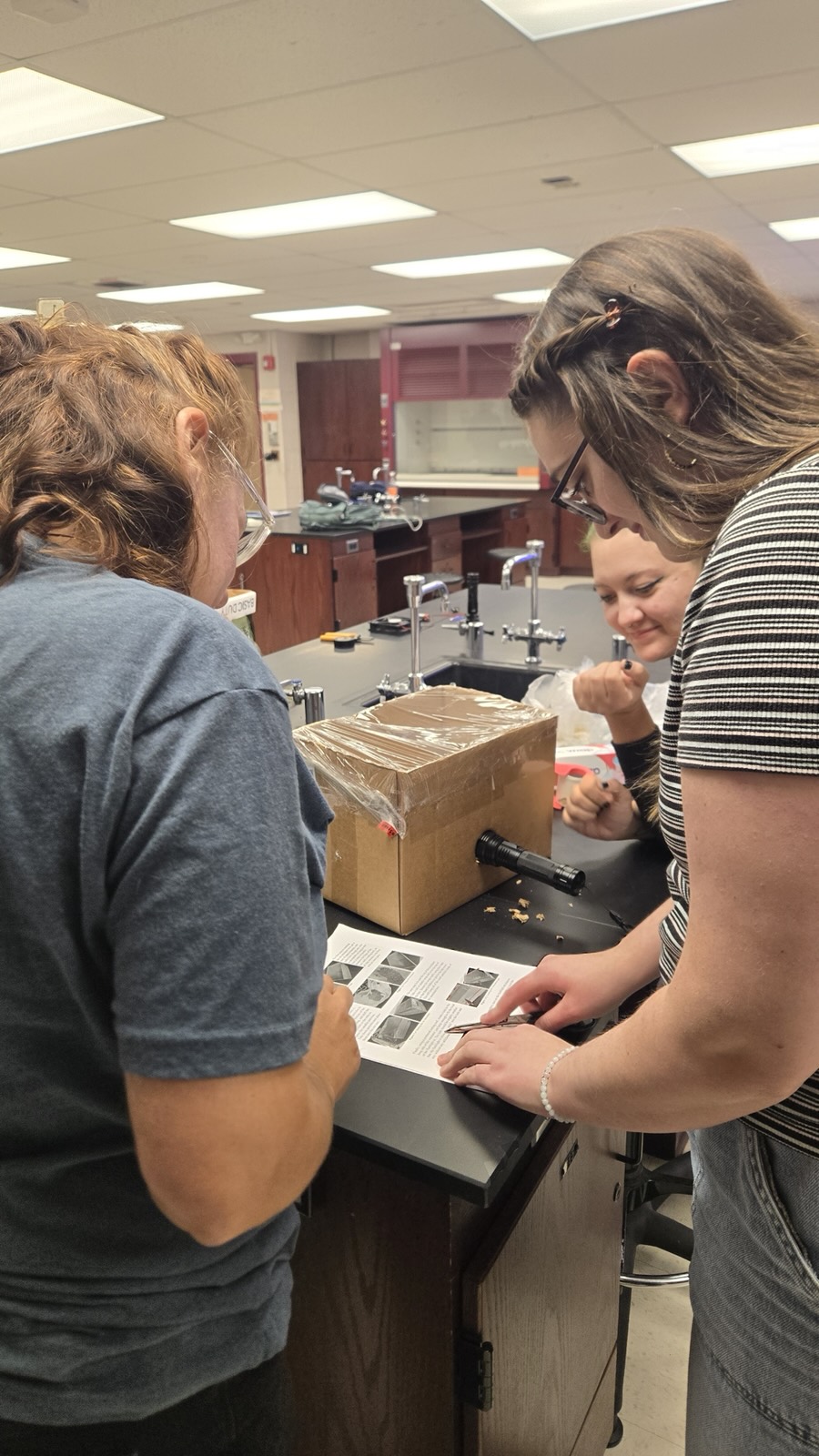
Building a Mini Cleanroom

Computer chips are made in cleanrooms, rooms kept so clean that even a speck of dust in the air can ruin a chip. Students built their own small model cleanrooms from cardboard boxes, then used a fan and a flashlight to watch how moving air carries dust away. It shows why chip factories control their air so carefully.

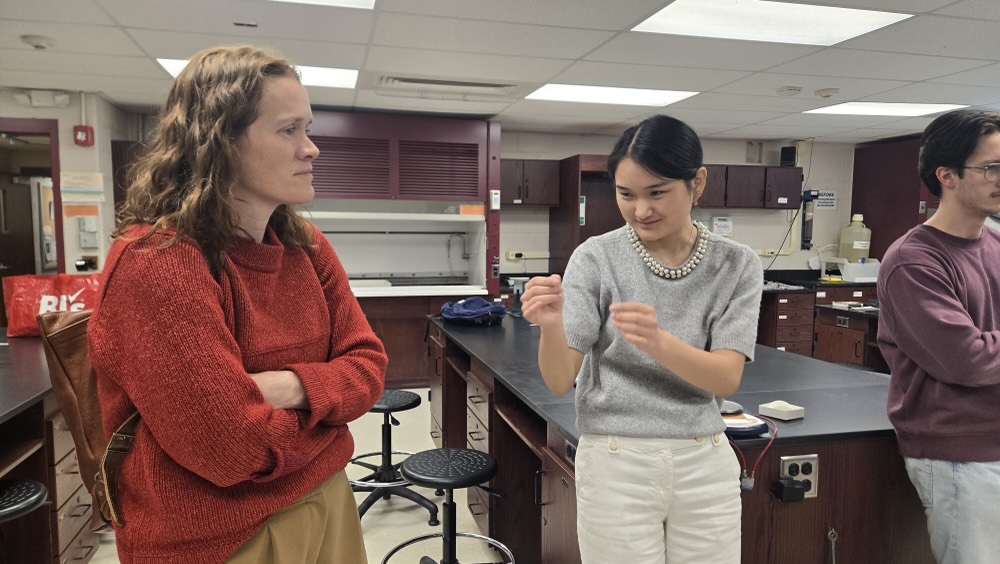
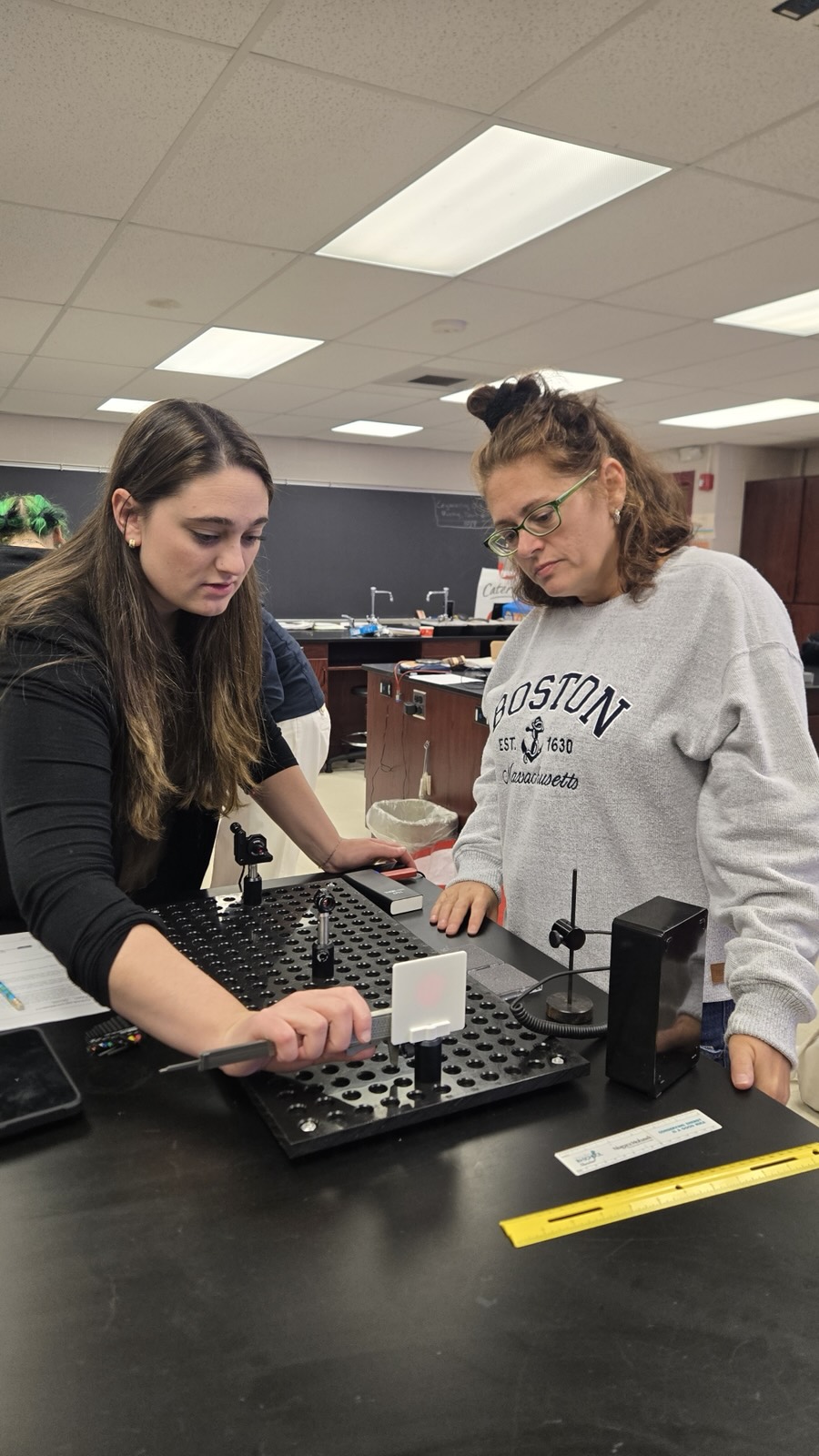
Students and the instructor aligning parts on the laser bench

Lasers & Optics

Steering a Laser Beam

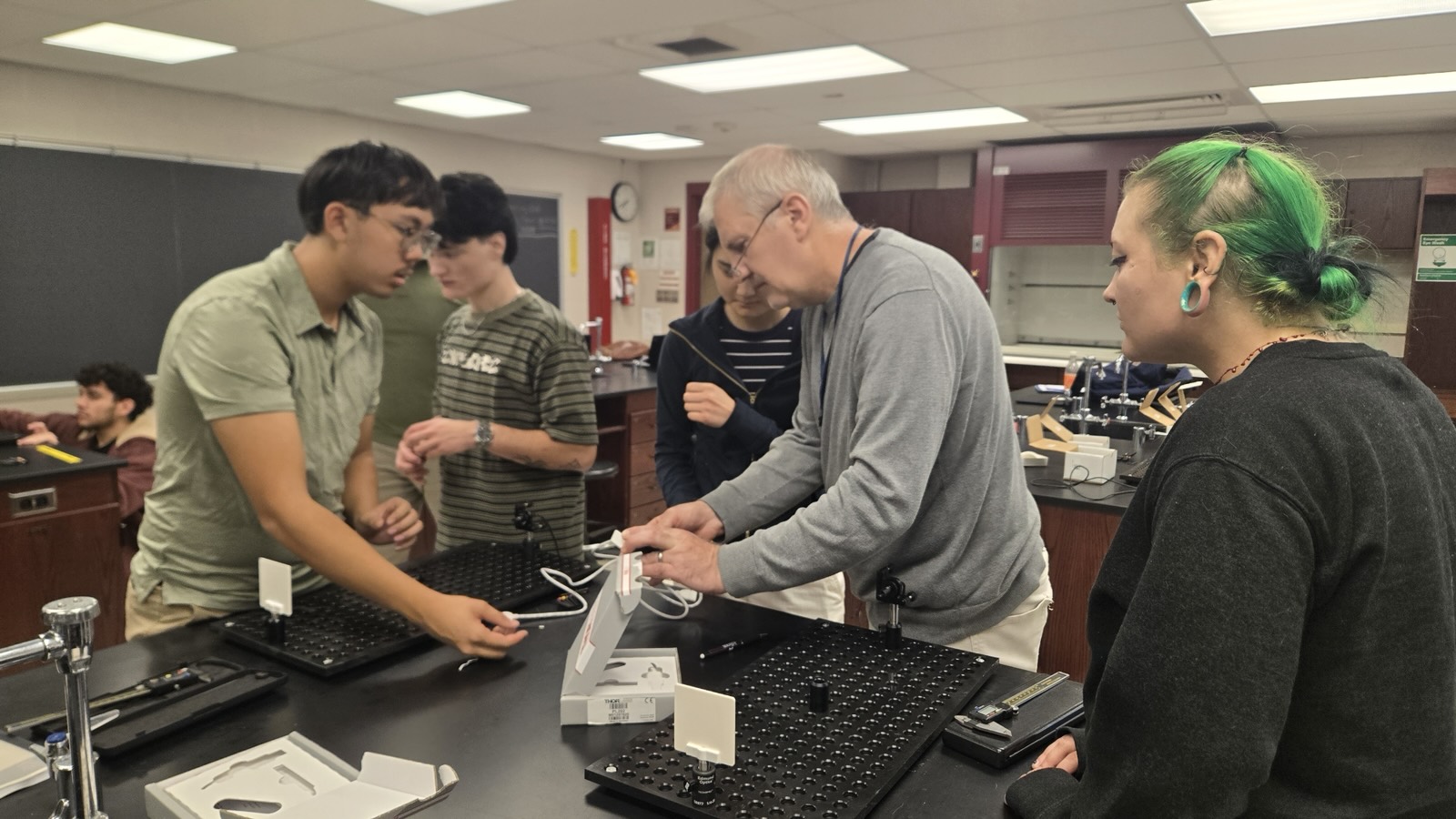
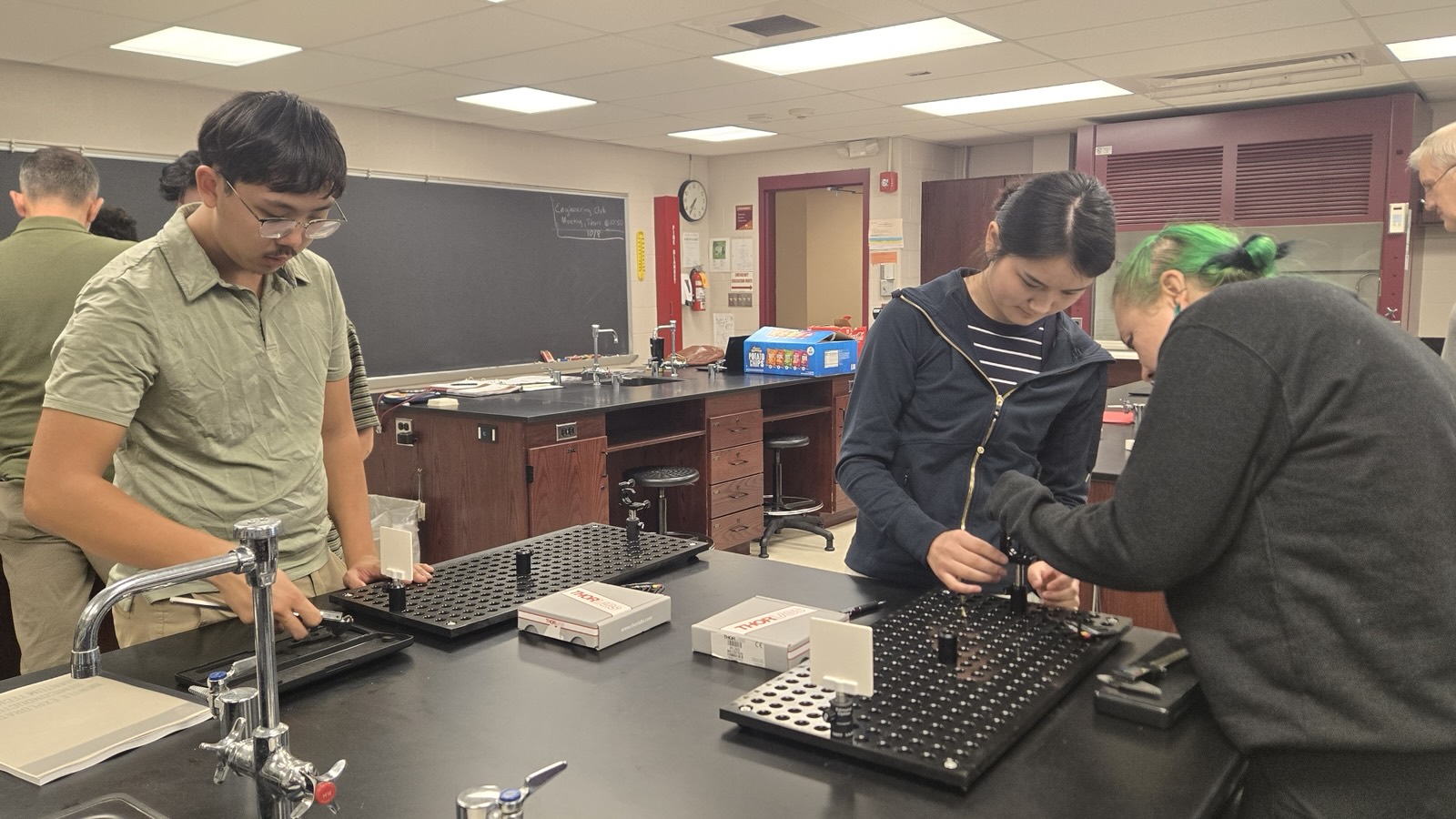
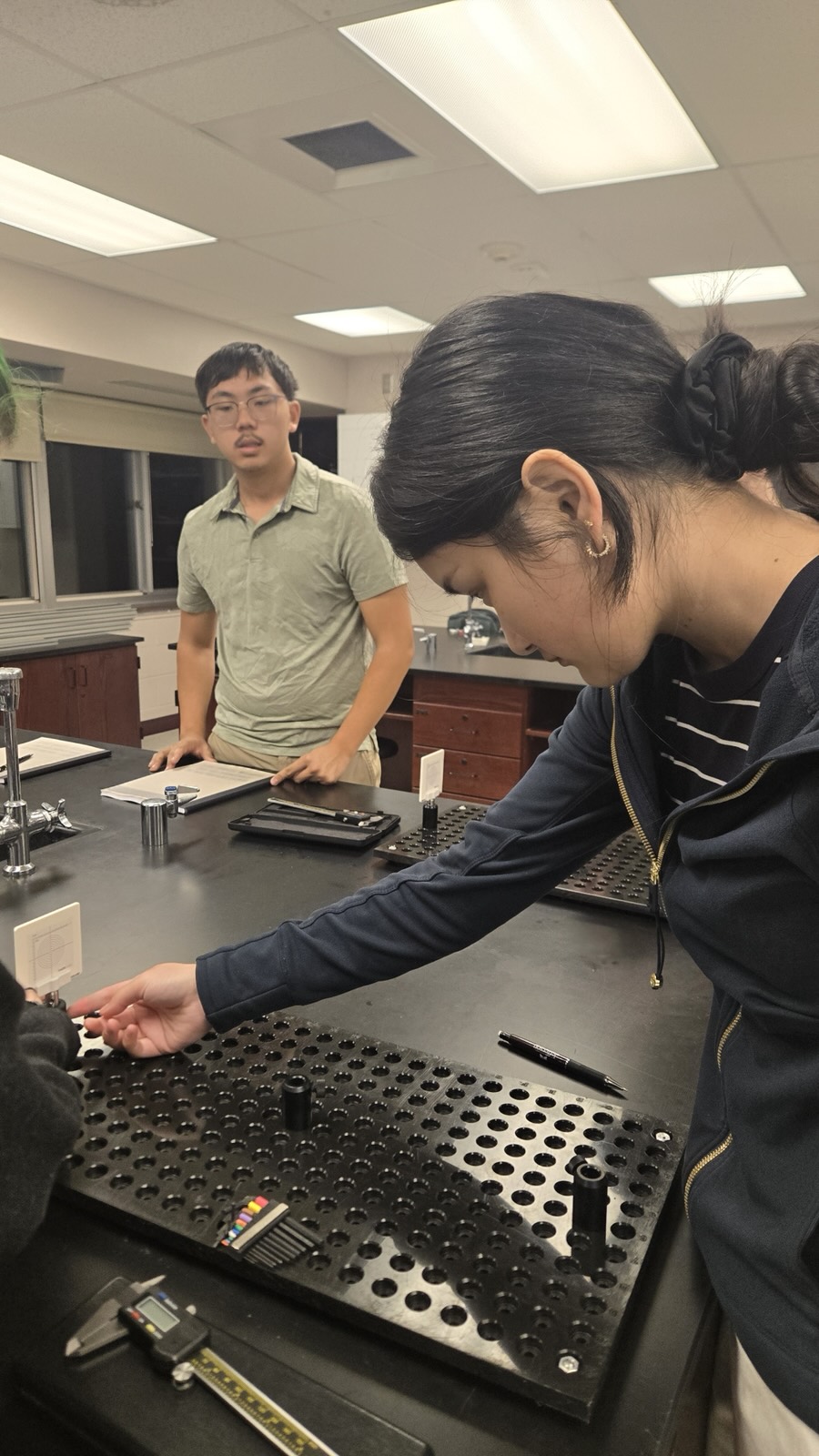
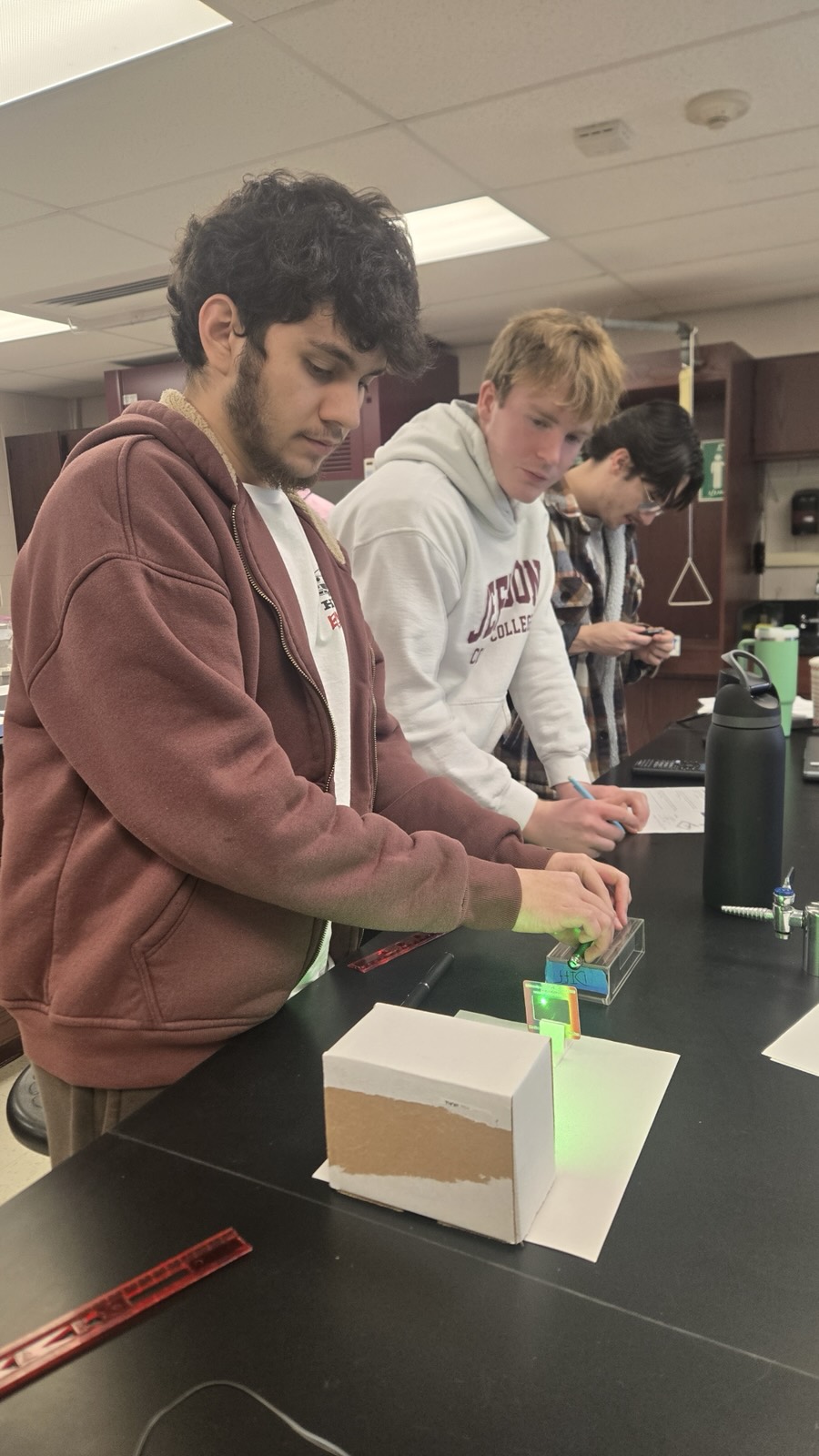
Lasers are used everywhere in technology, from barcode scanners to the machines that make computer chips. Working in small teams, students placed mirrors and other optical parts on a laser bench and adjusted them to guide a laser beam exactly where they wanted it to go. It is careful, hands-on work, and the same skill technicians use to set up real optical equipment.

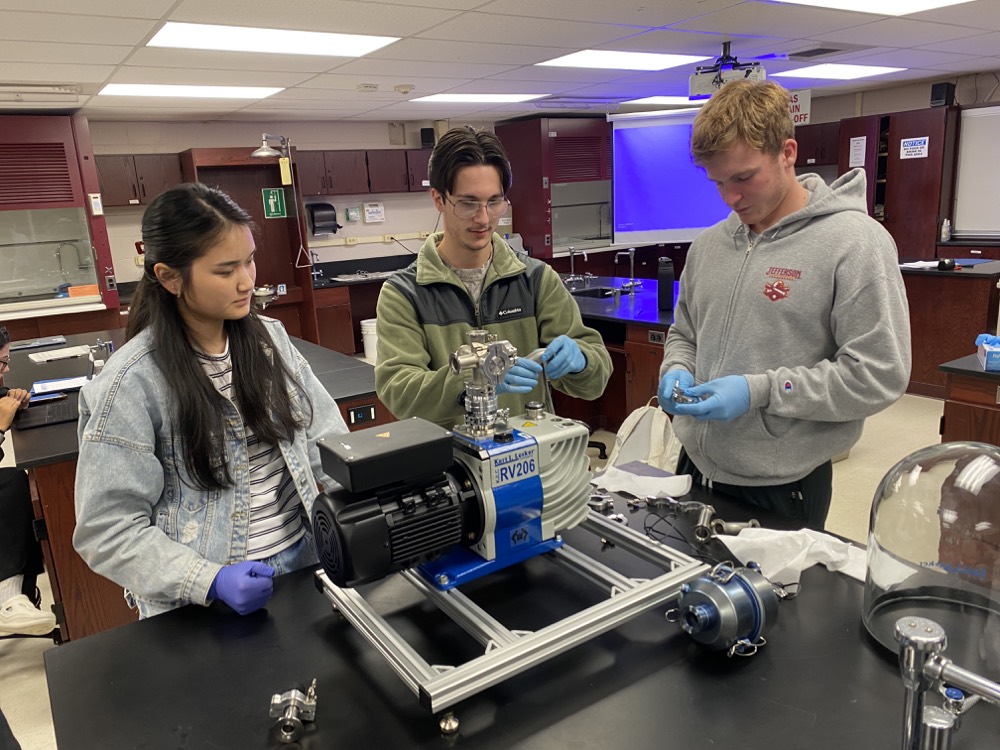
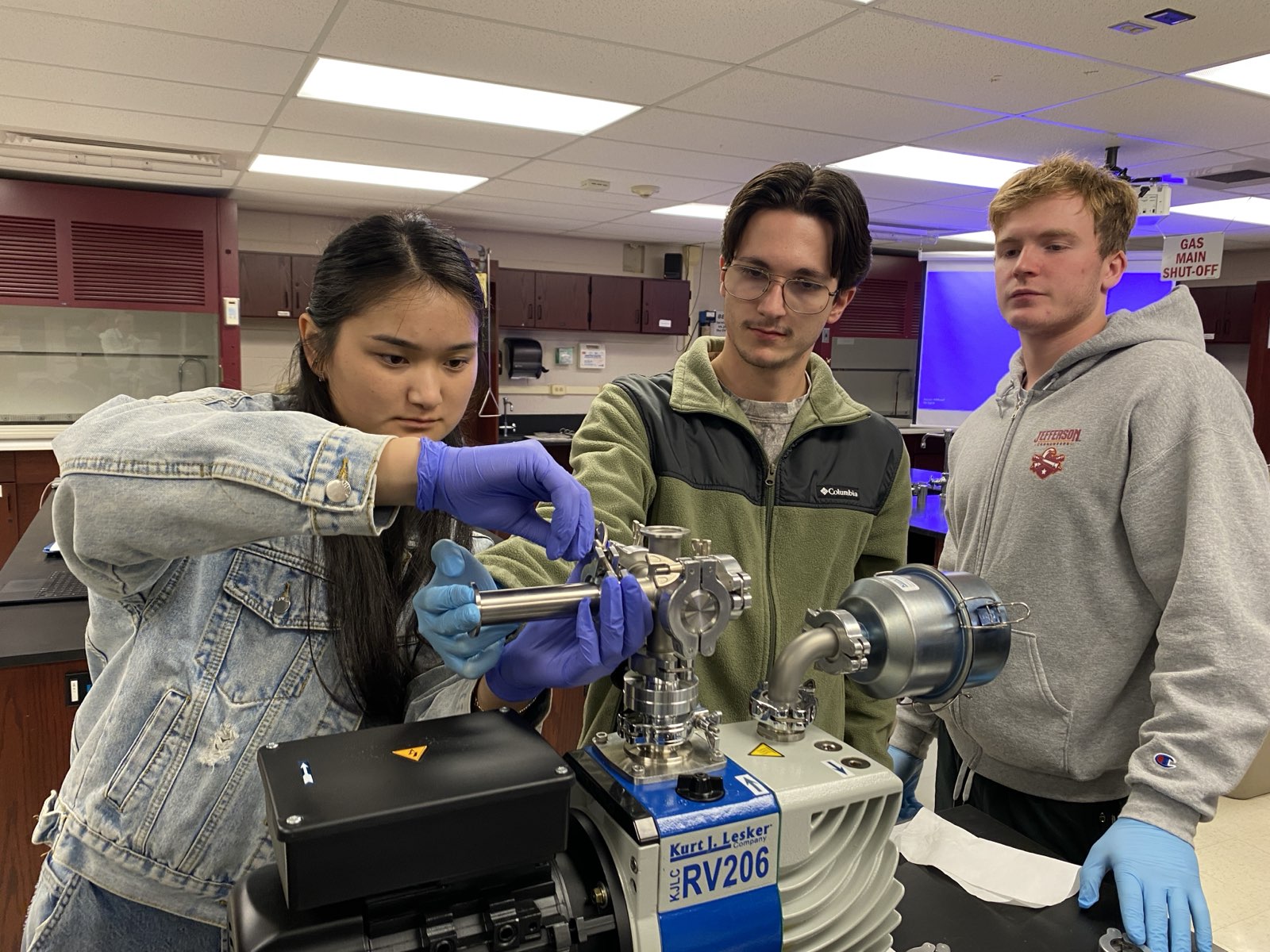
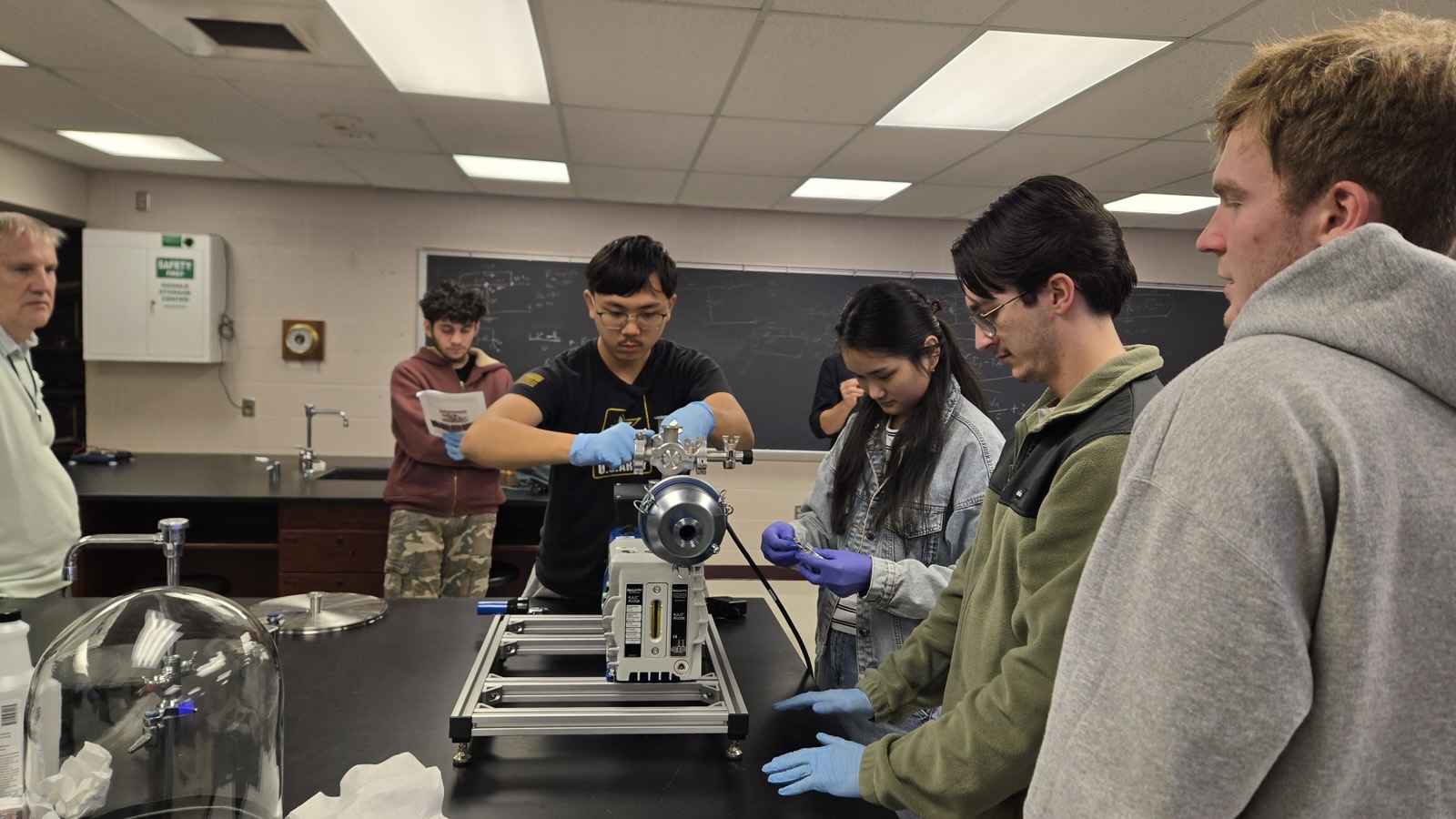
A student tightening a fitting on the vacuum pump

Vacuum Systems

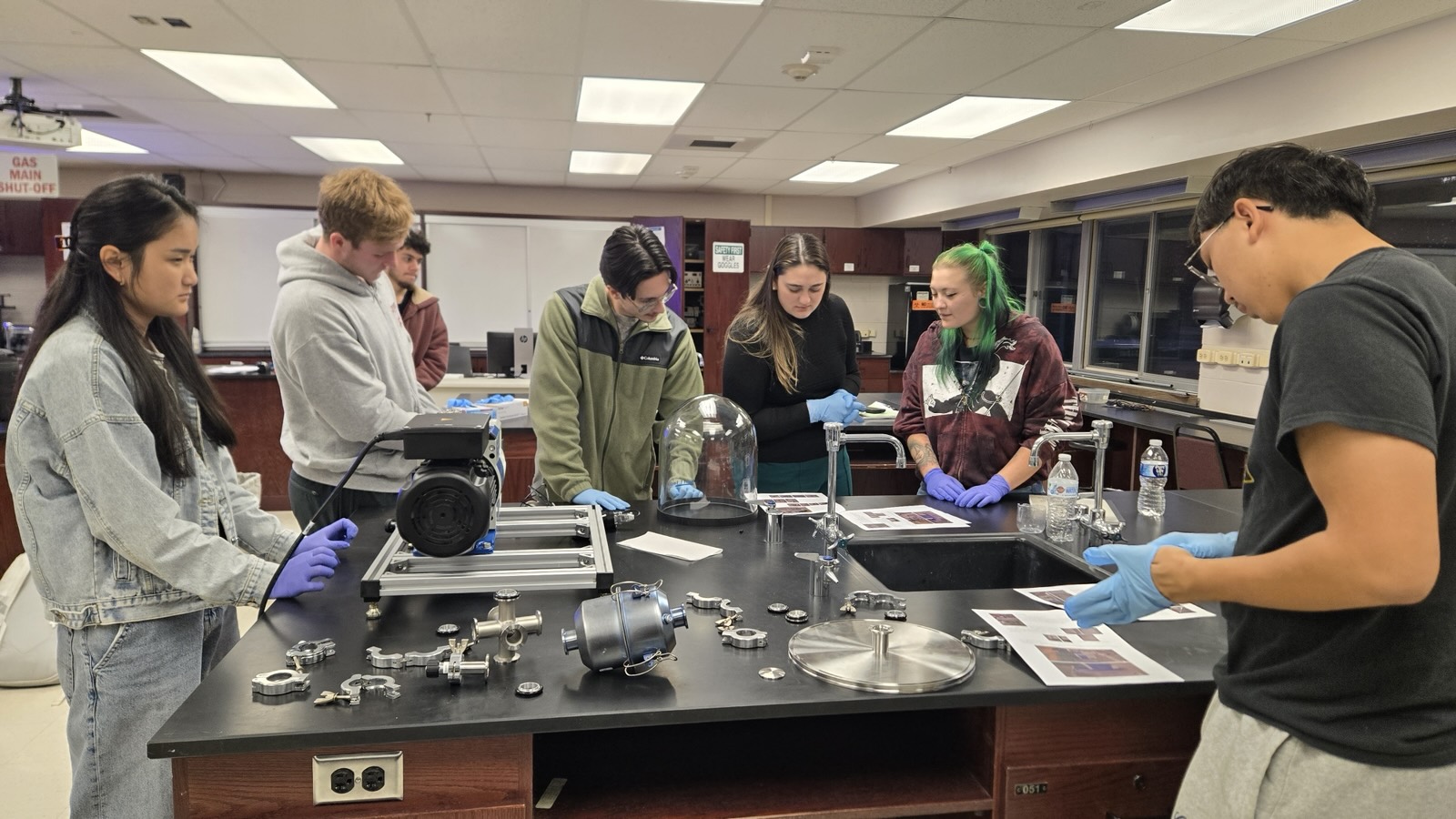
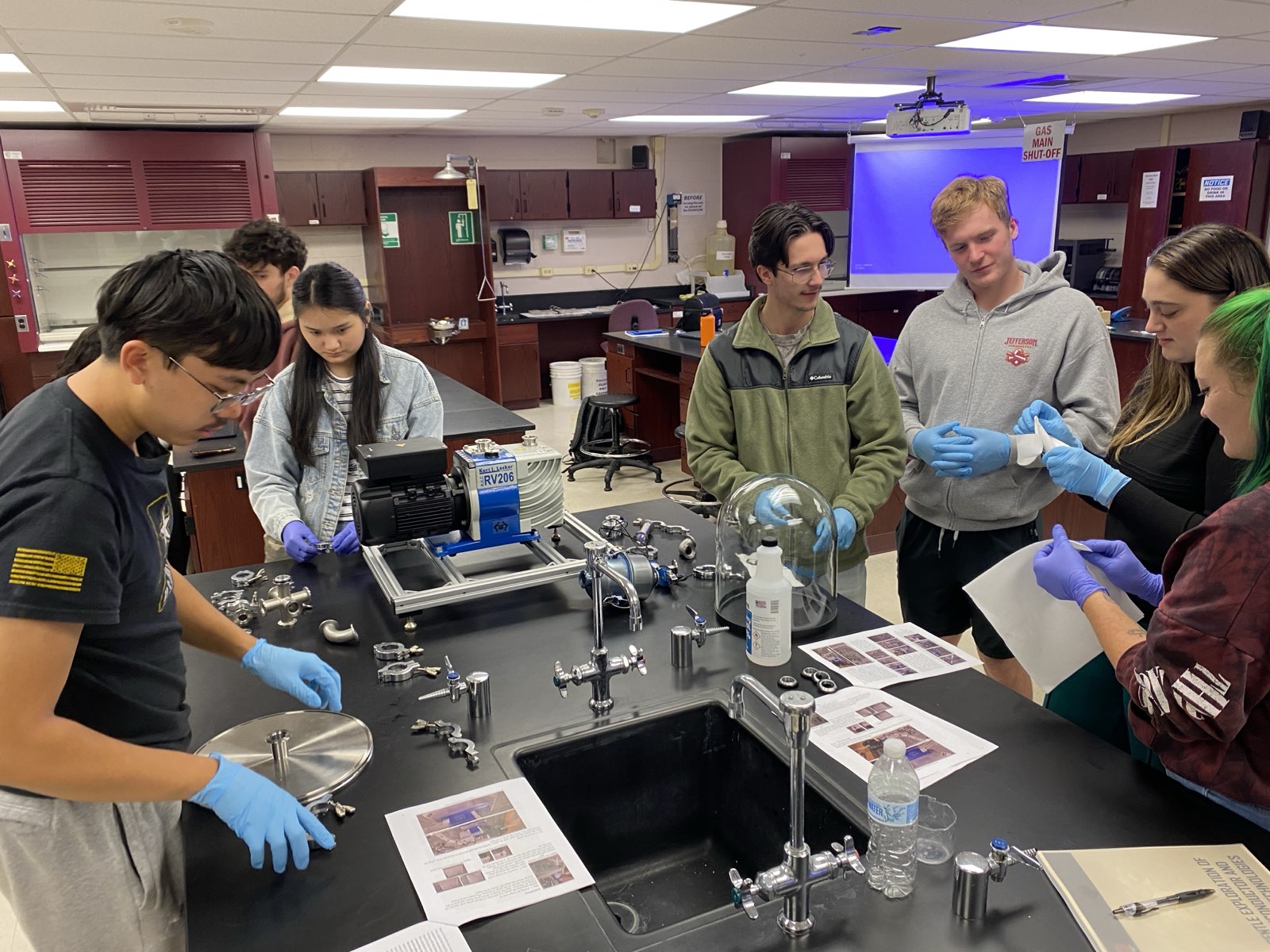
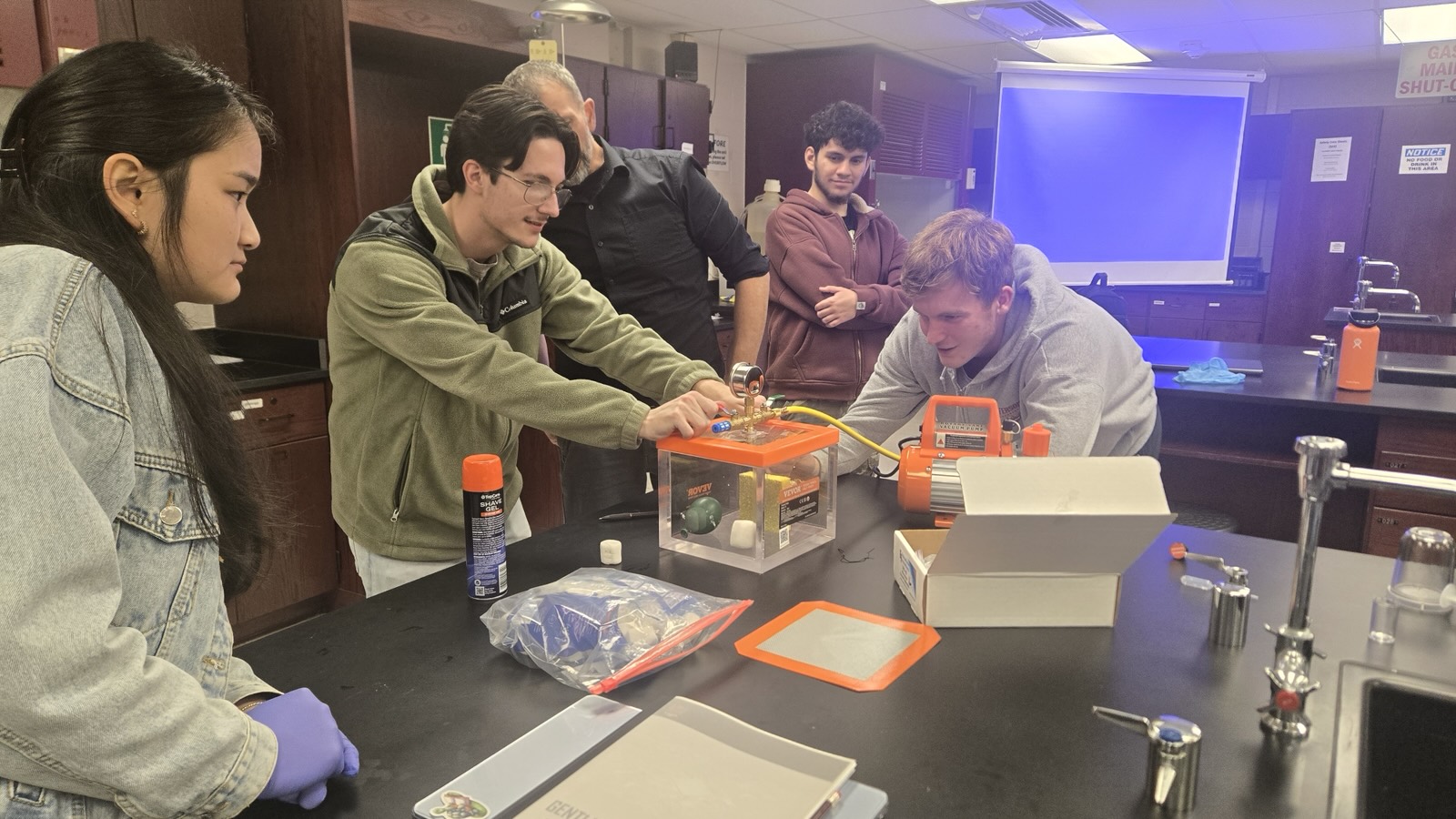
Building a Vacuum System

Many steps in chip making happen inside a vacuum, a space with almost all the air pumped out. Wearing gloves, students connected a pump, valves, and a glass bell jar into a working vacuum system and watched the pressure gauge drop as the air was removed. They also learned how a small leak can stop the system from working, and how to find it.

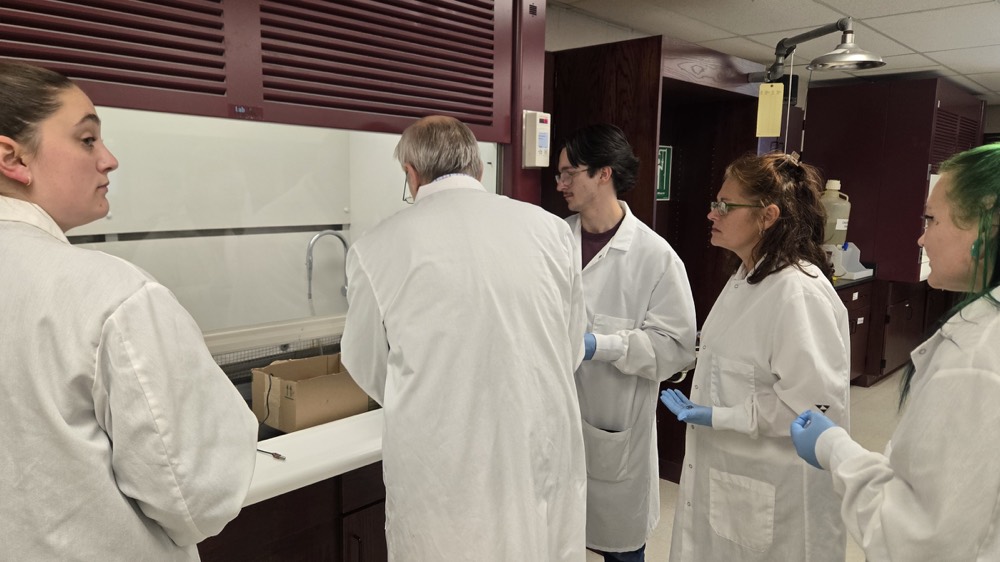
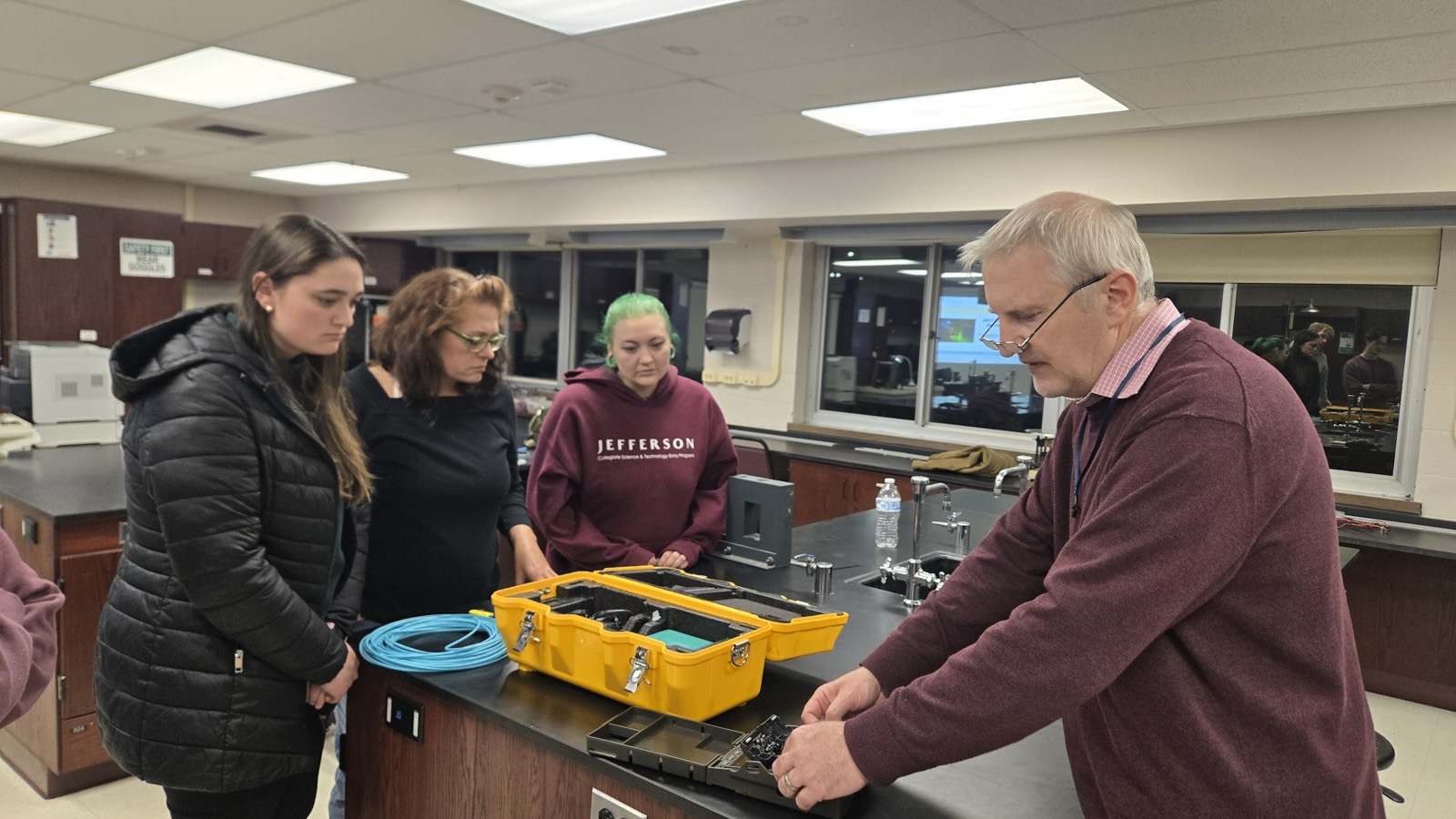
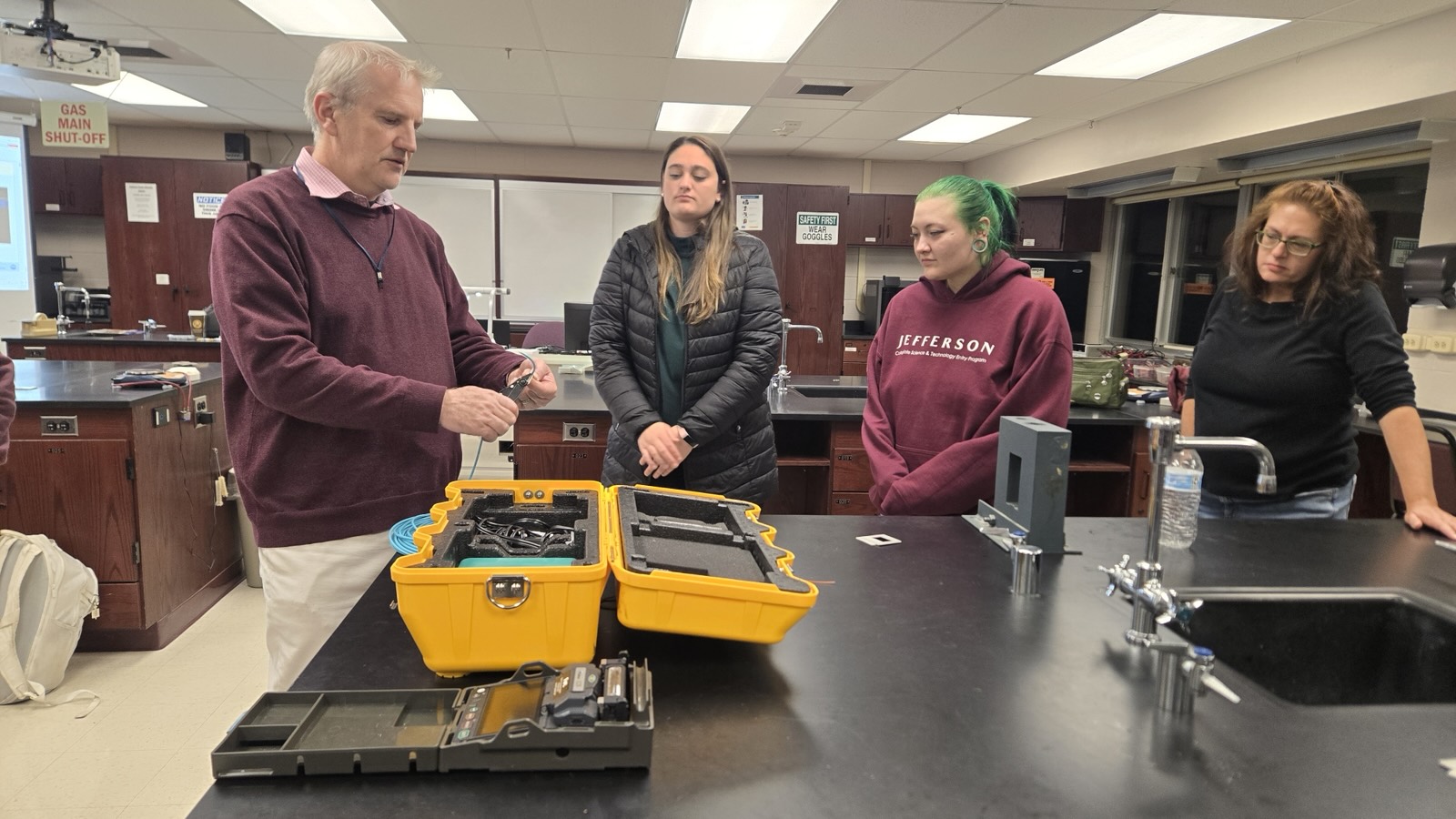
The instructor showing students the fiber-optic equipment case

Fiber Optics

Exploring Light and Fiber Optics

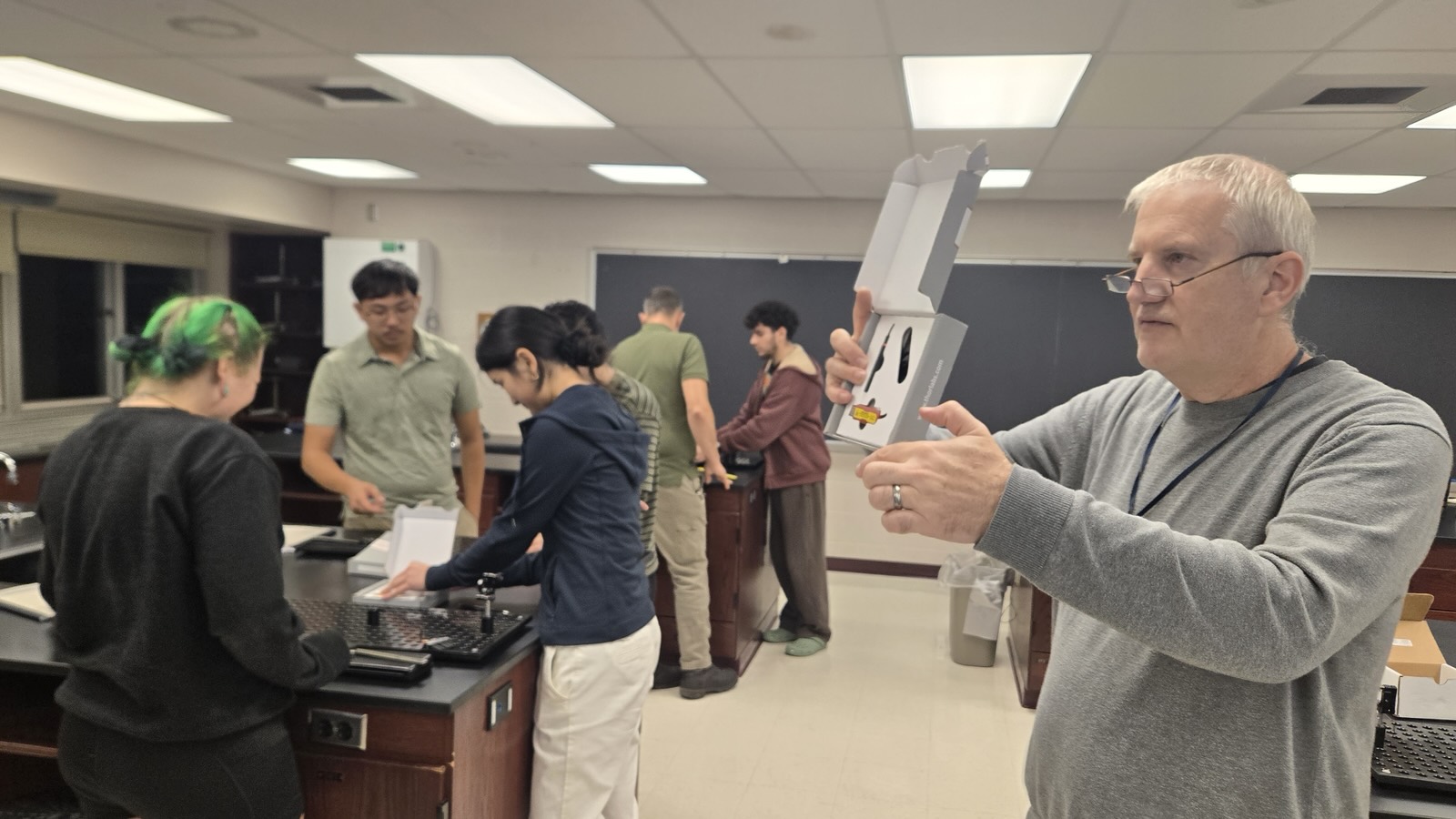
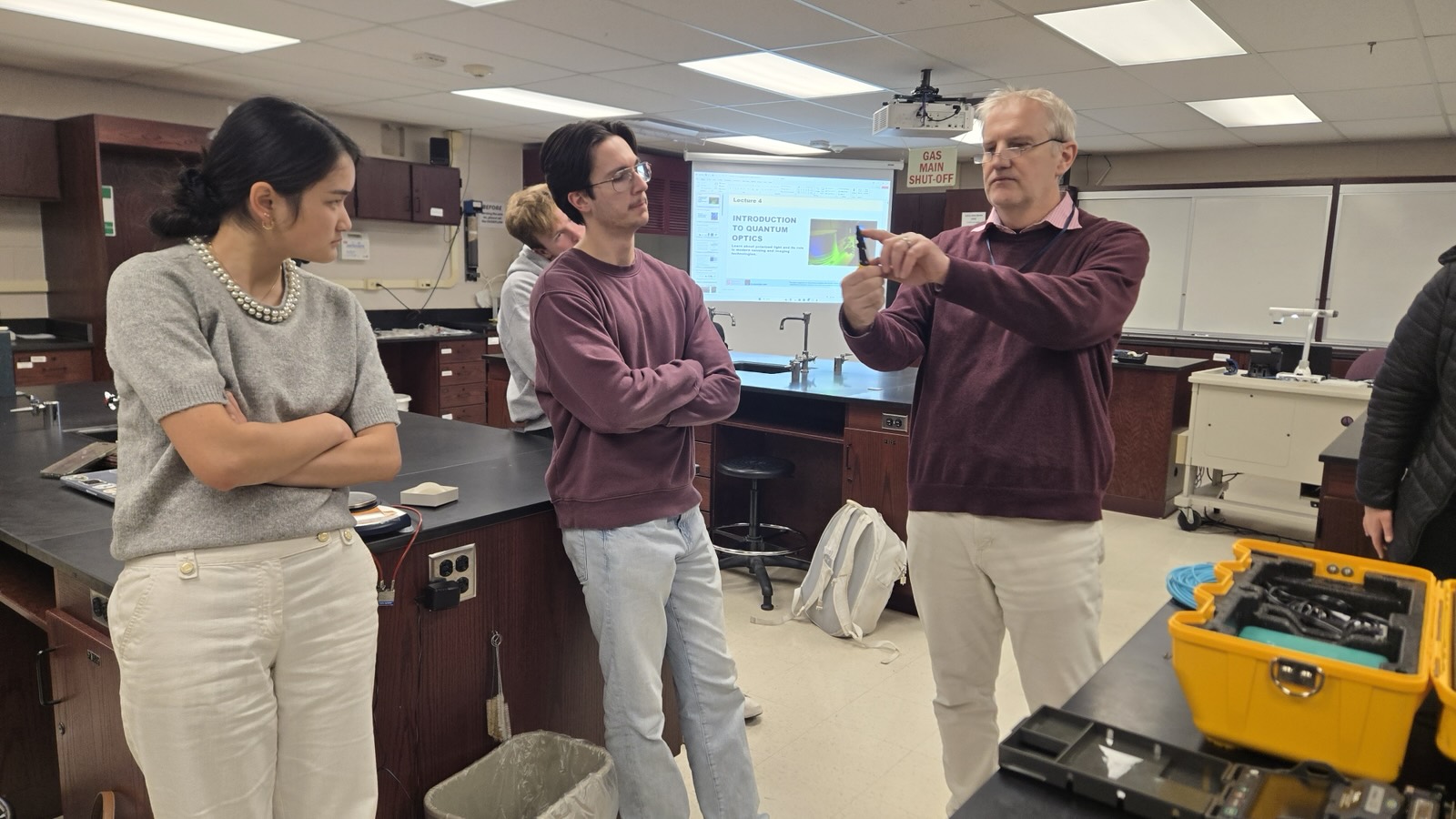
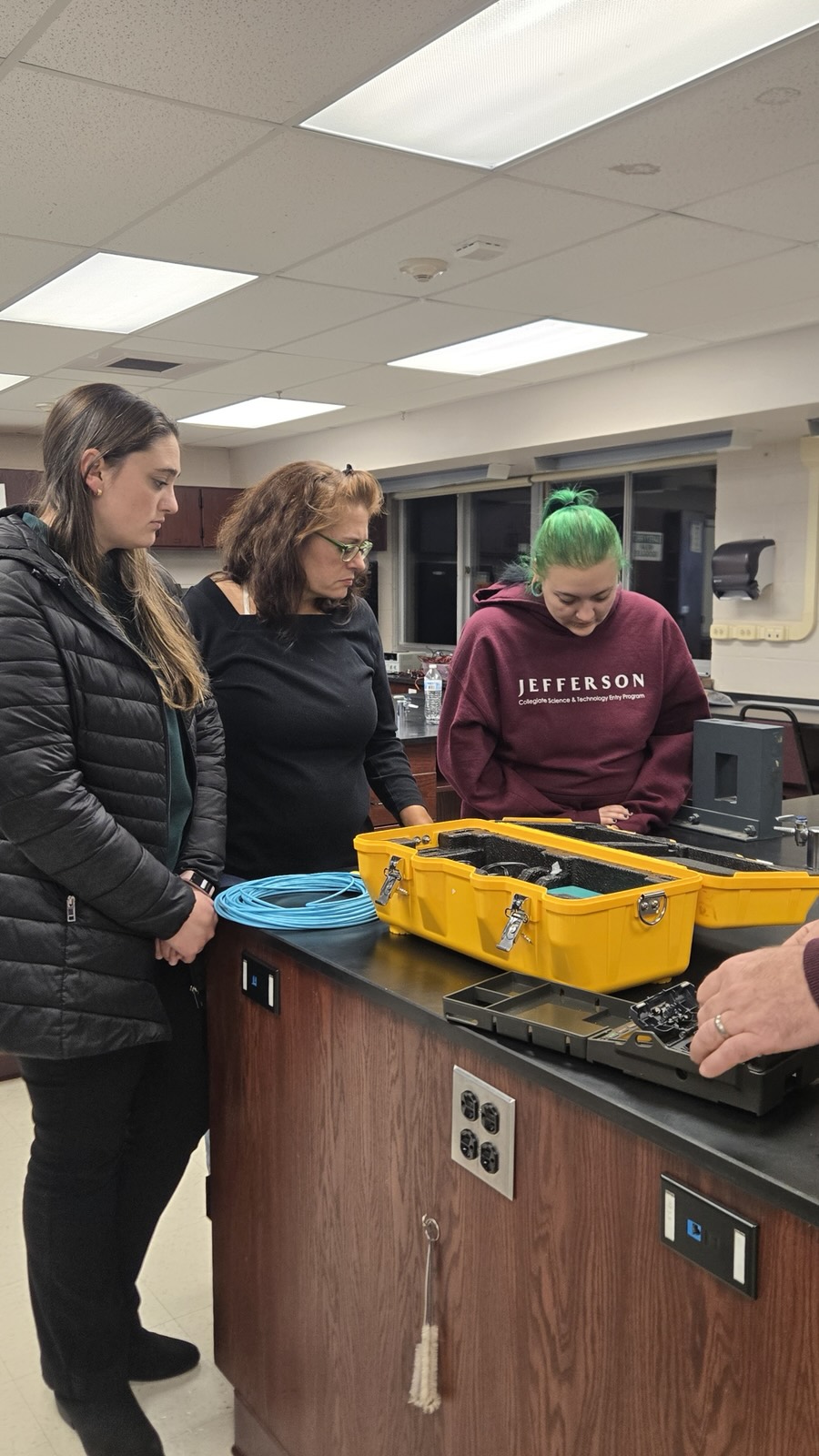
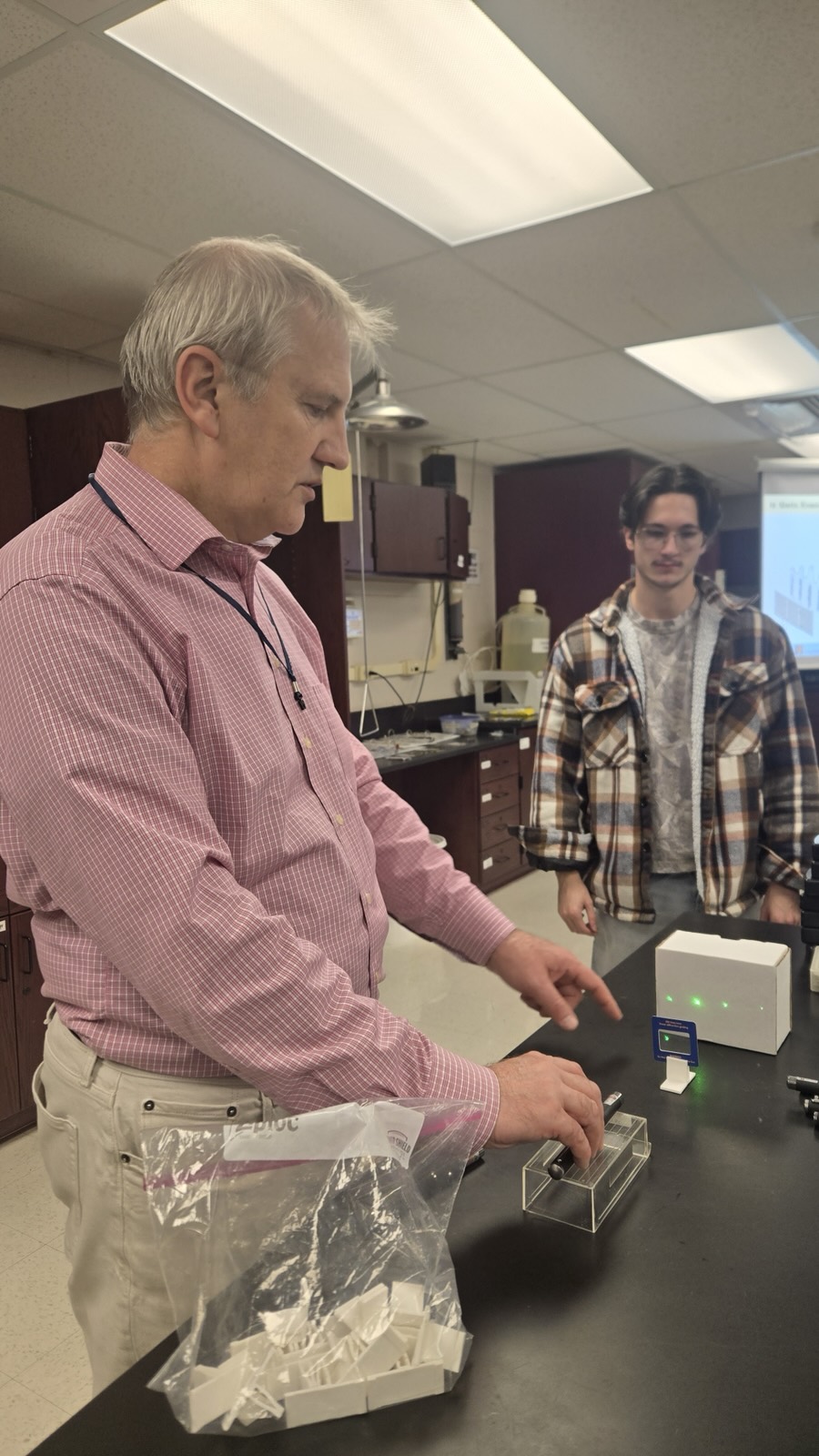
Fiber-optic cables carry information as pulses of light, which is how most internet traffic travels around the world. The instructor showed students real fiber-optic equipment and explained how the cables are made and how they guide light over long distances. Students also used polarizing filters to see how light can be blocked or let through depending on its direction.

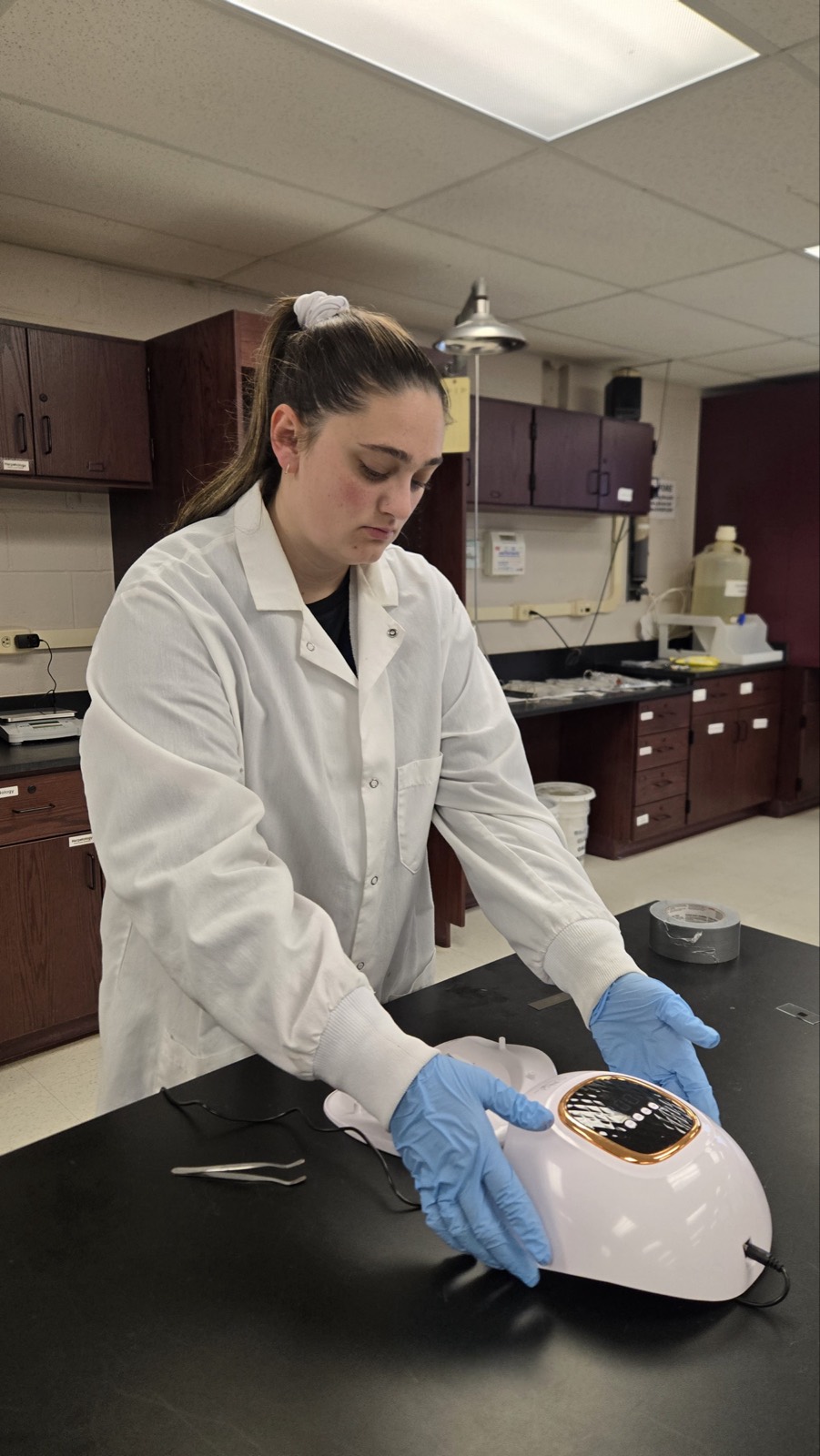
A student exposing a coated slide under a UV lamp

Photolithography

Printing Patterns With Light

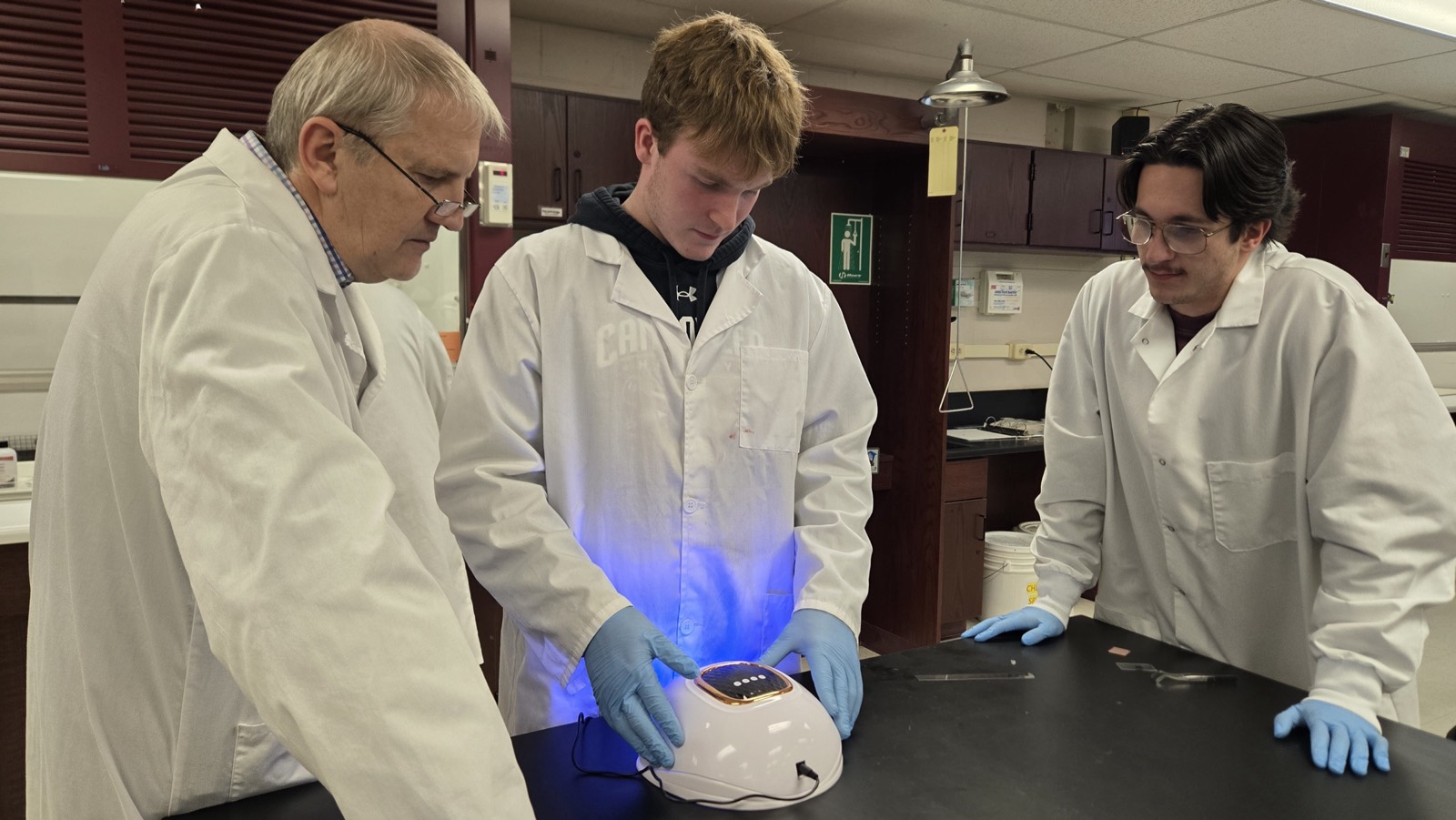
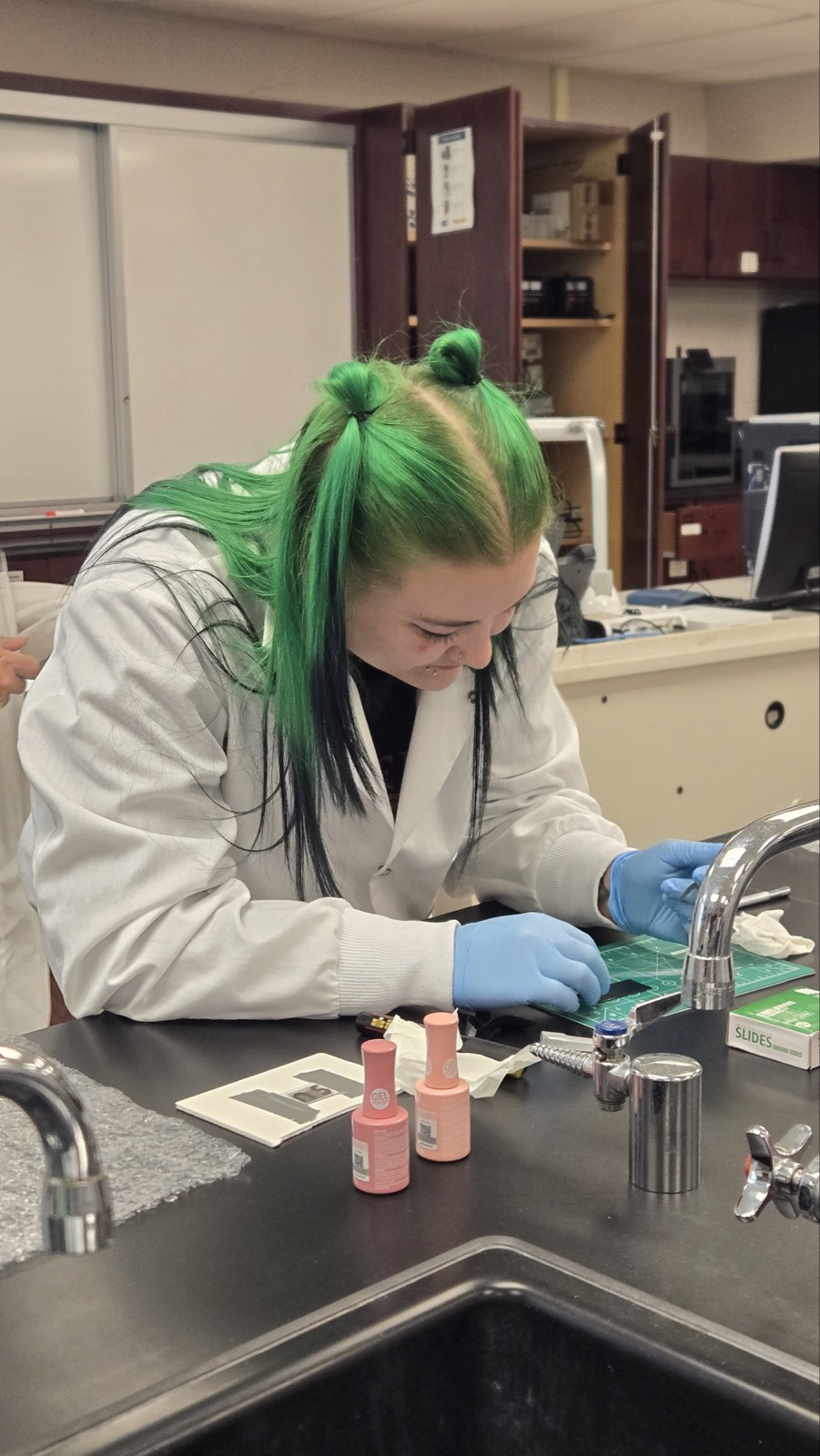
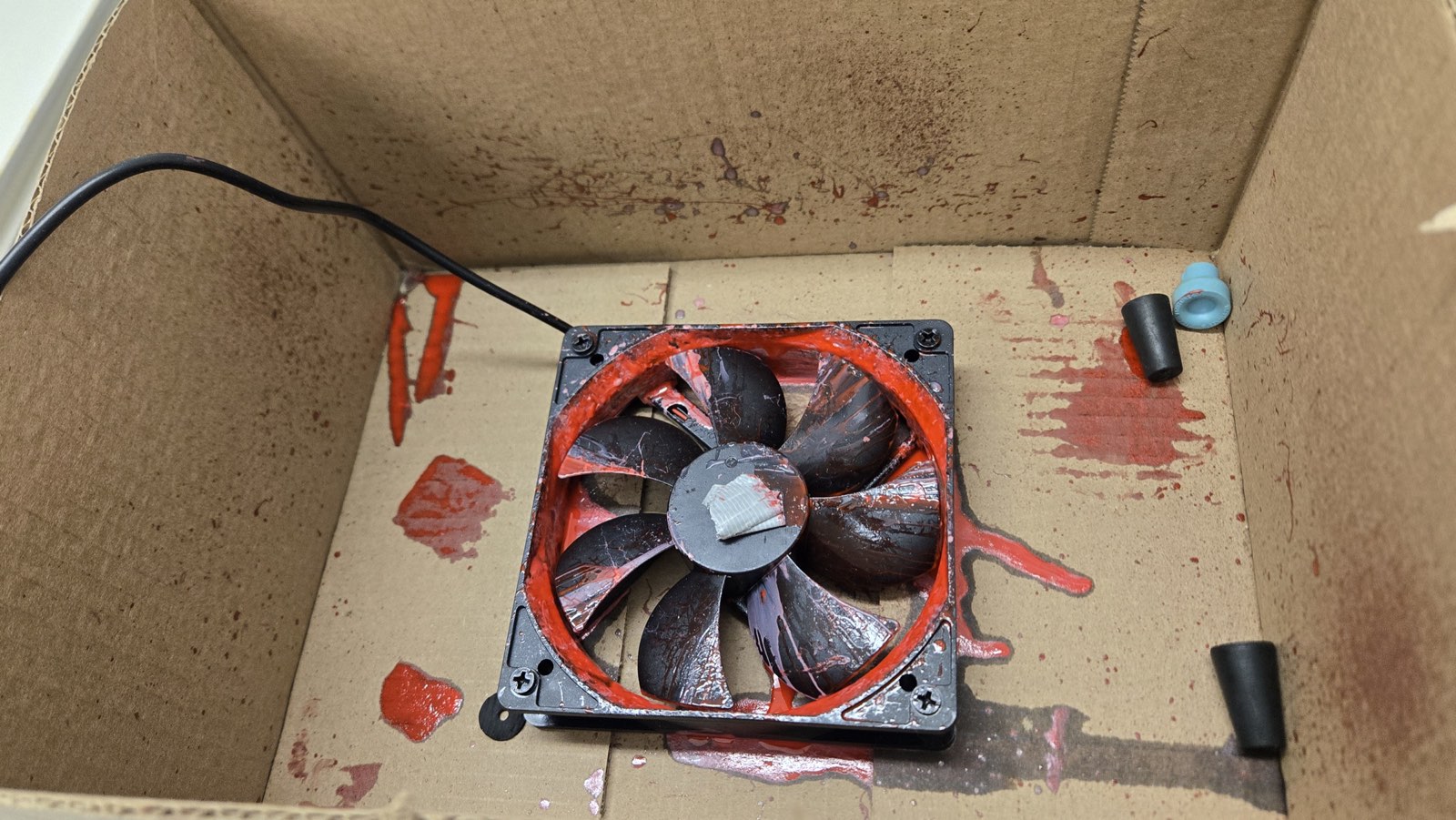
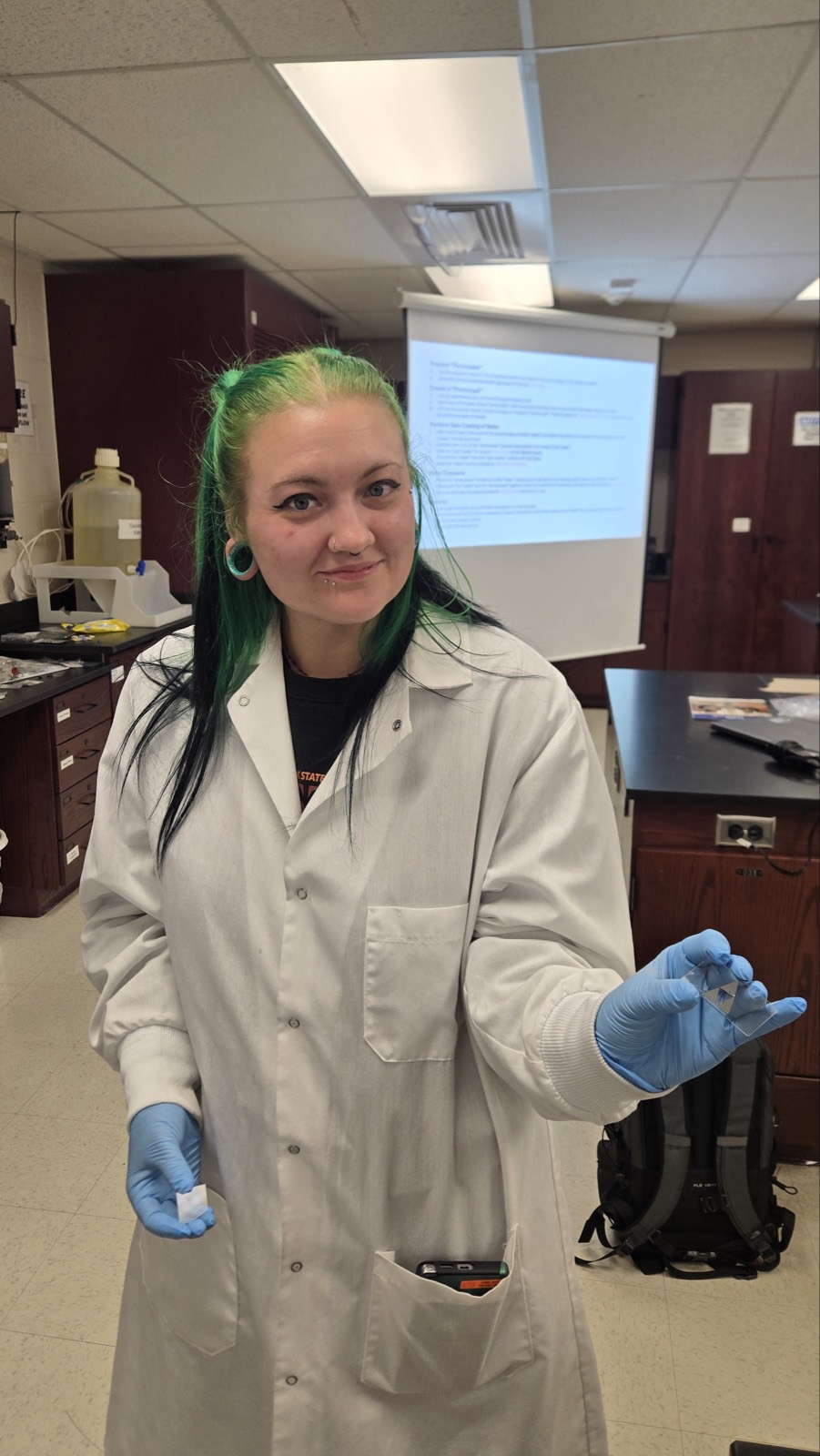
Tiny circuit designs are printed onto computer chips using light, a process called photolithography. In lab coats and gloves, students tried a simple version: they coated glass slides on a homemade spinner built from a computer fan, then shone UV light through a stencil to print a pattern. It is the same basic idea that chip factories use to print billions of tiny parts.

Light & Waves

Seeing Light Act Like a Wave

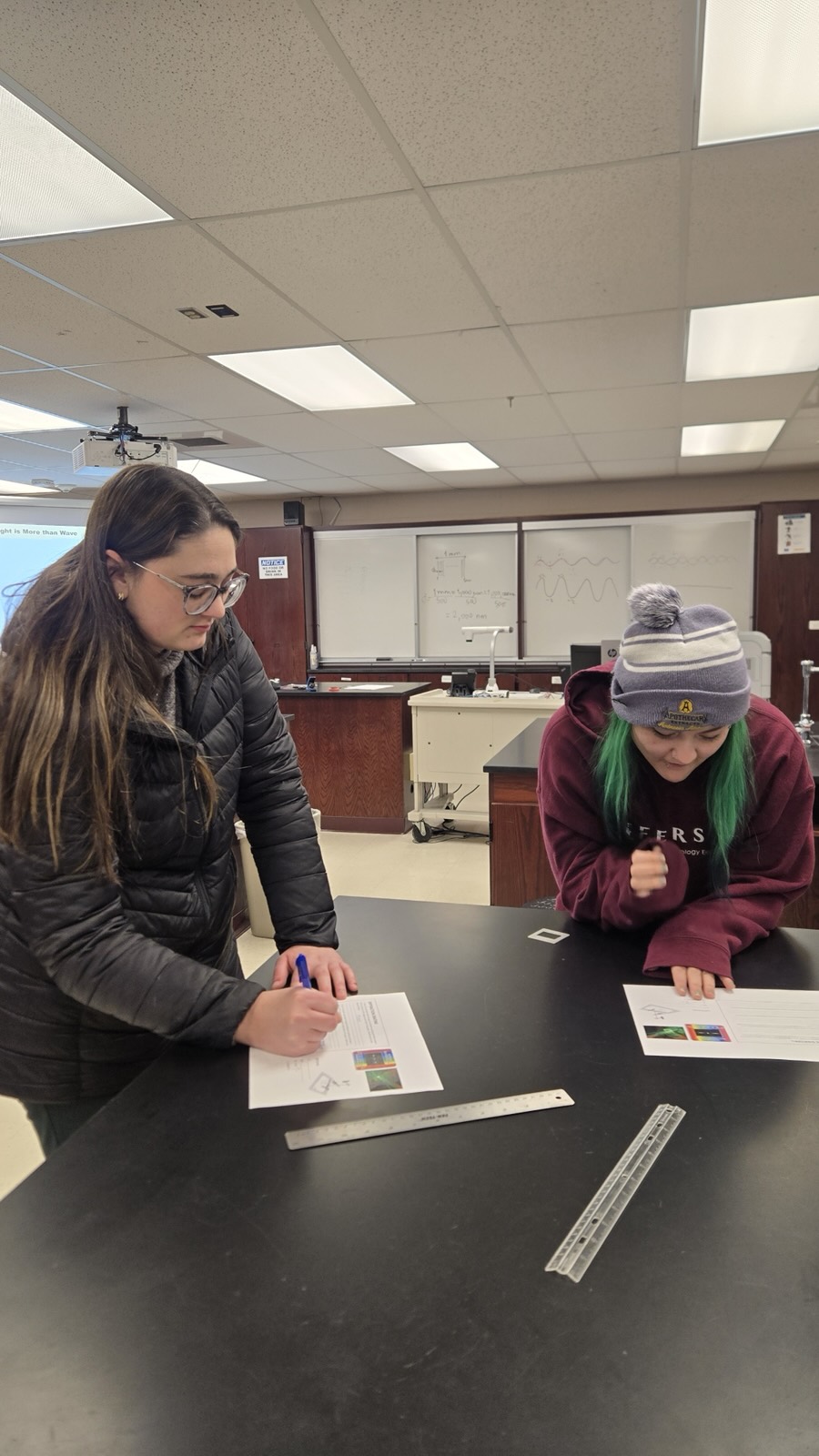
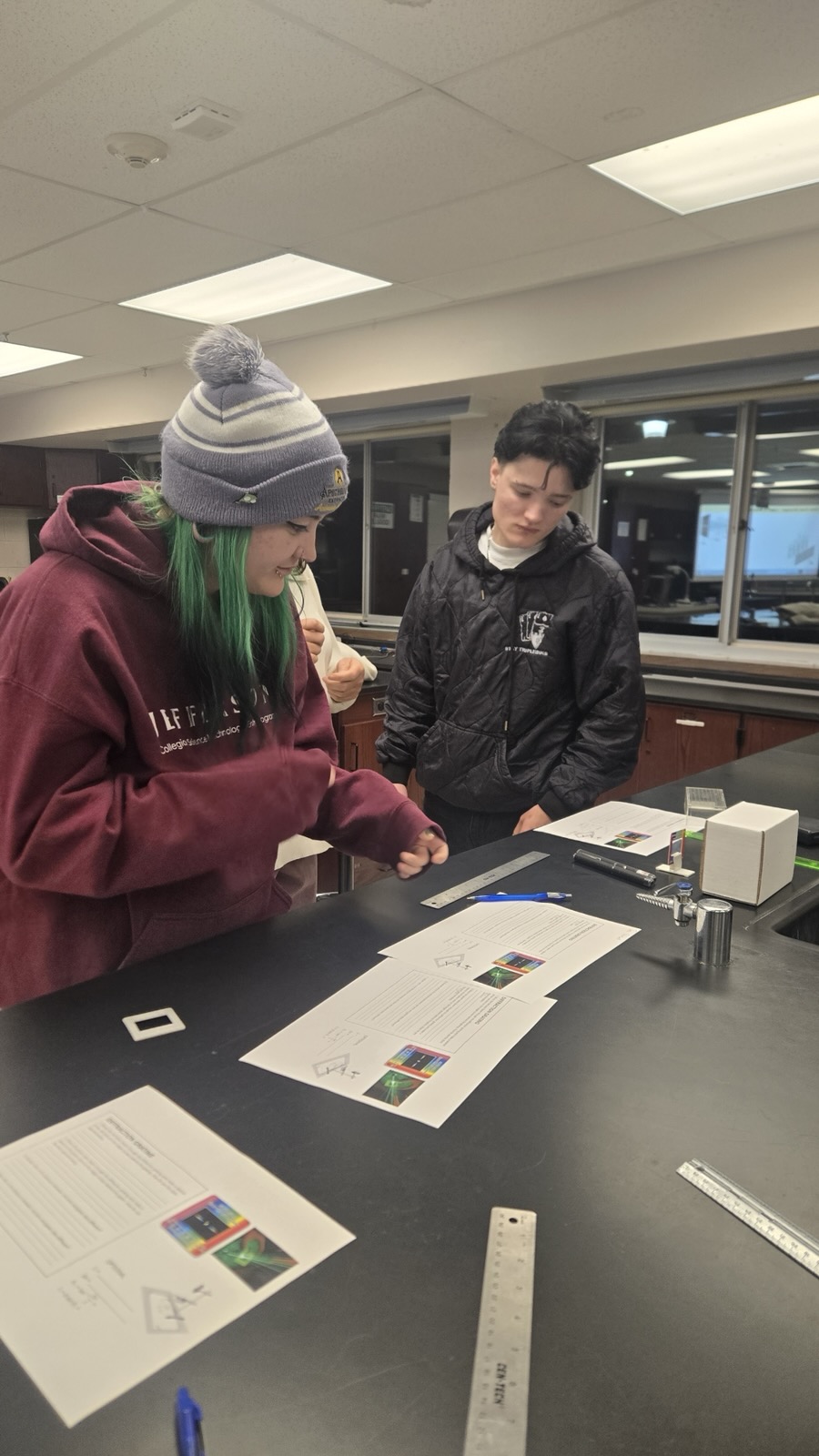
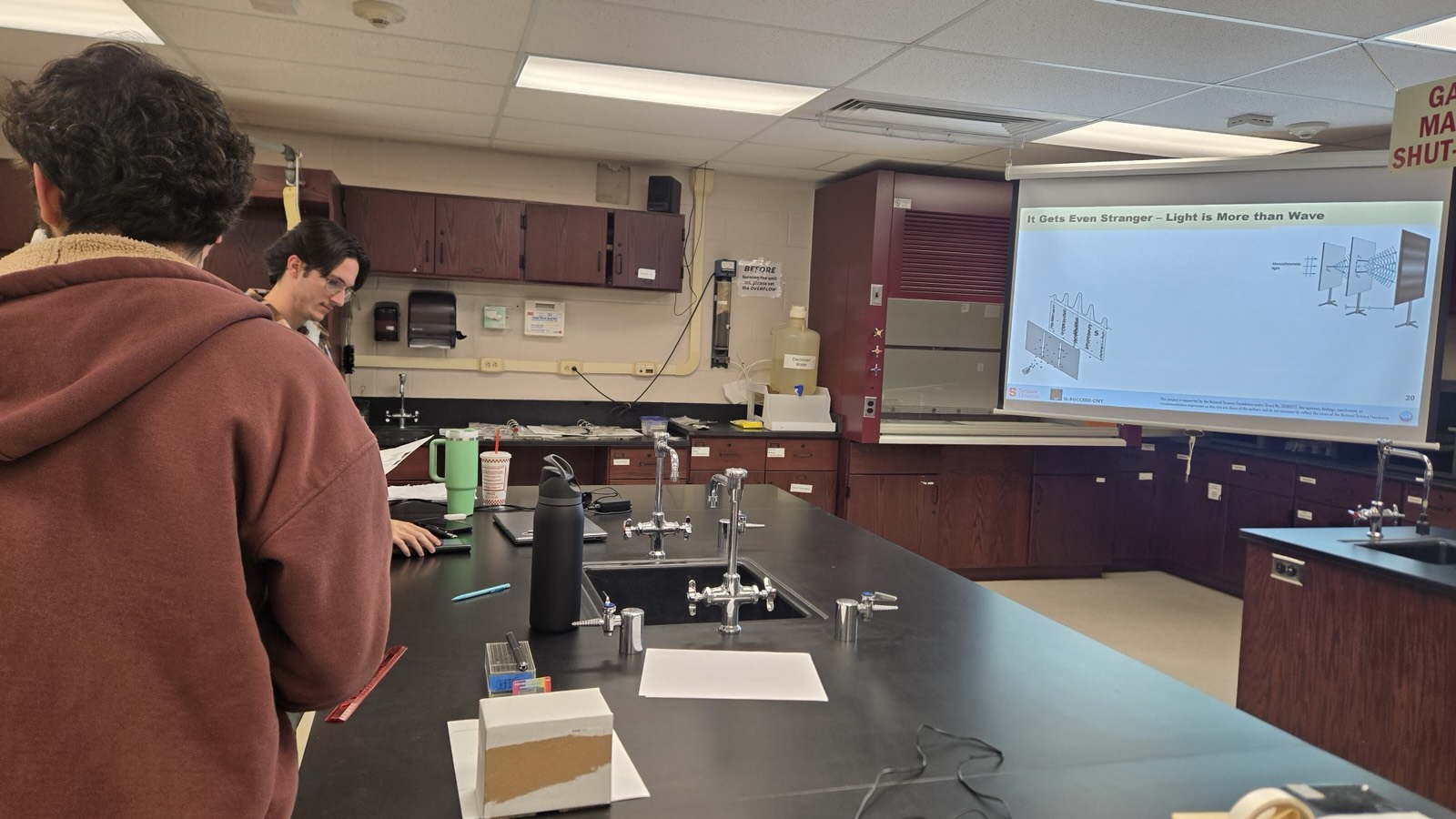
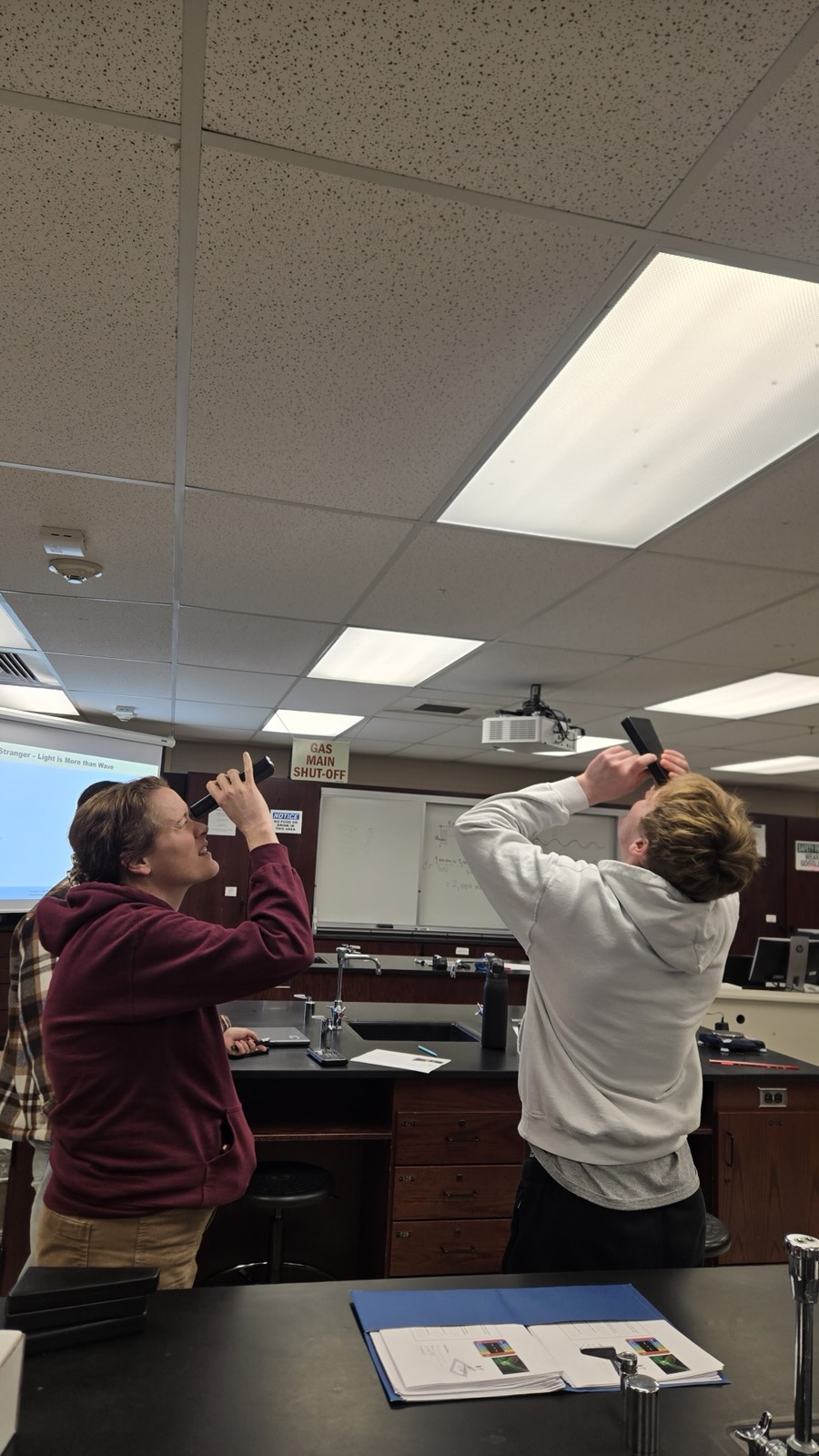
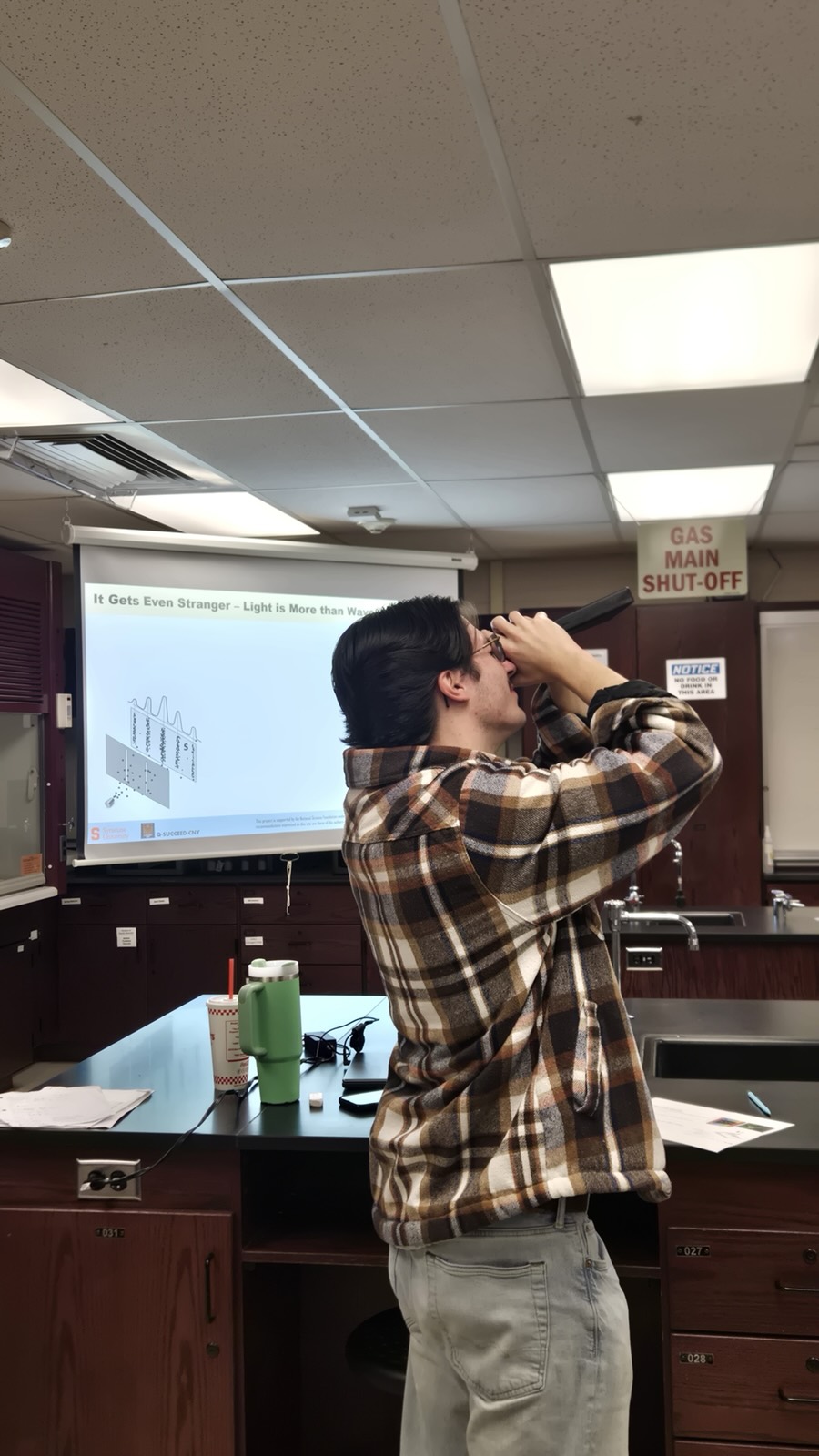
Light can behave like waves on water, adding up in some places and canceling out in others. Students shone a laser through two tiny slits and watched a pattern of bright and dark stripes appear on a screen, then measured the spacing between the stripes. They also looked at lights through special diffraction glasses that split white light into a rainbow of colors.

Field Trips & Industry Visits

Field Trips & Industry Visits

November 5, 2026 · Cornell NanoScale Science and Technology Facility (CNF), Ithaca, NY

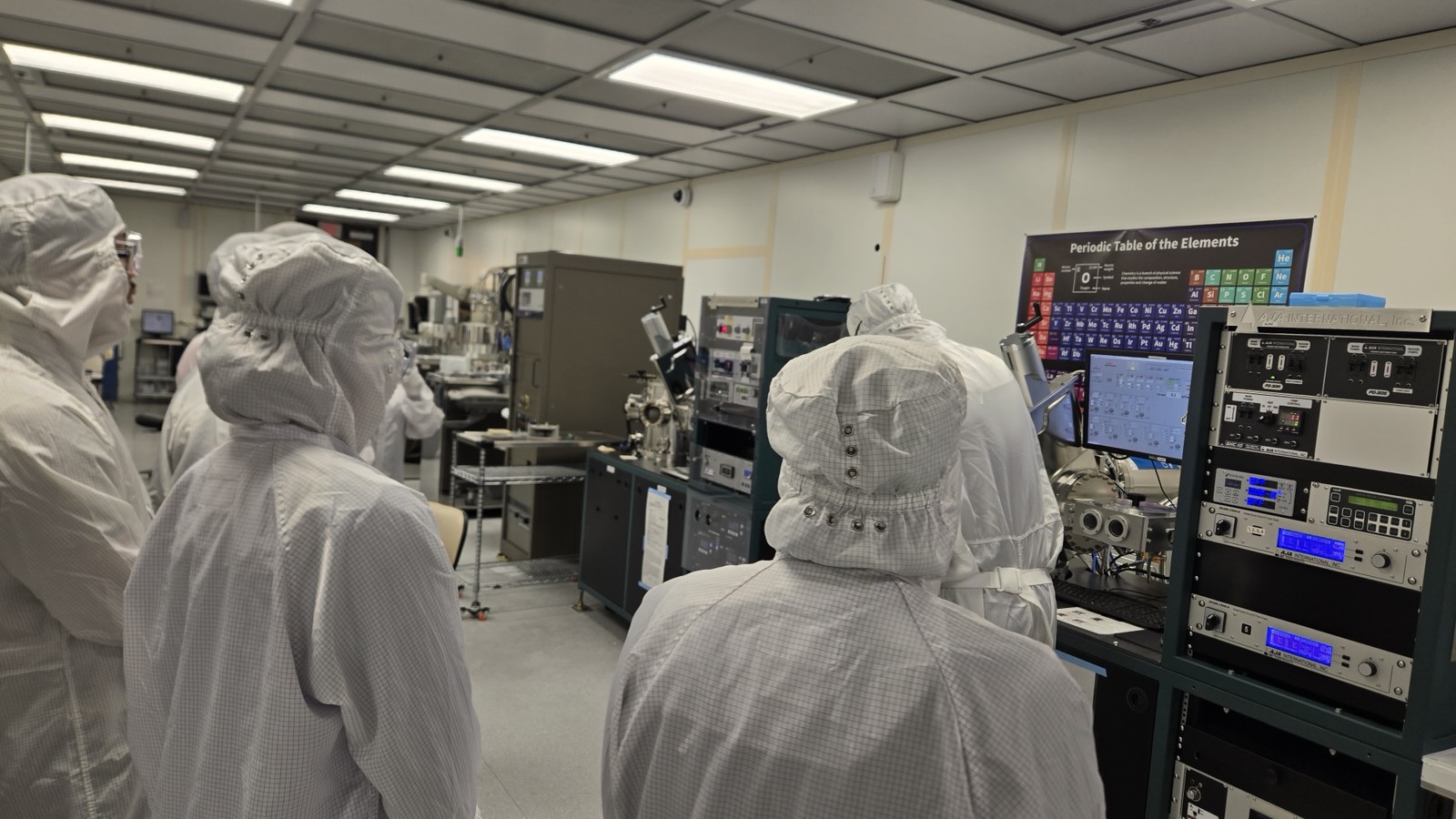
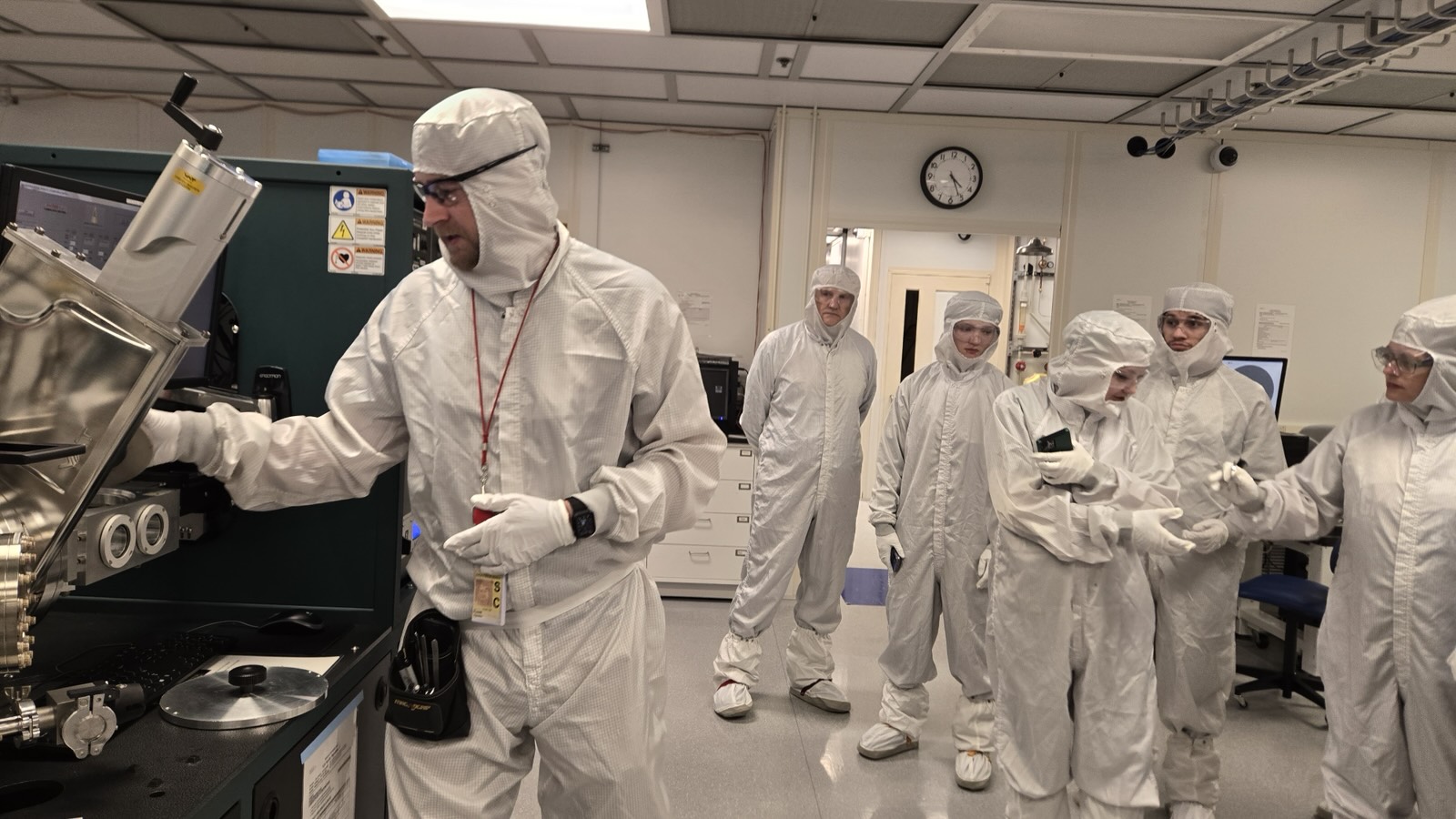
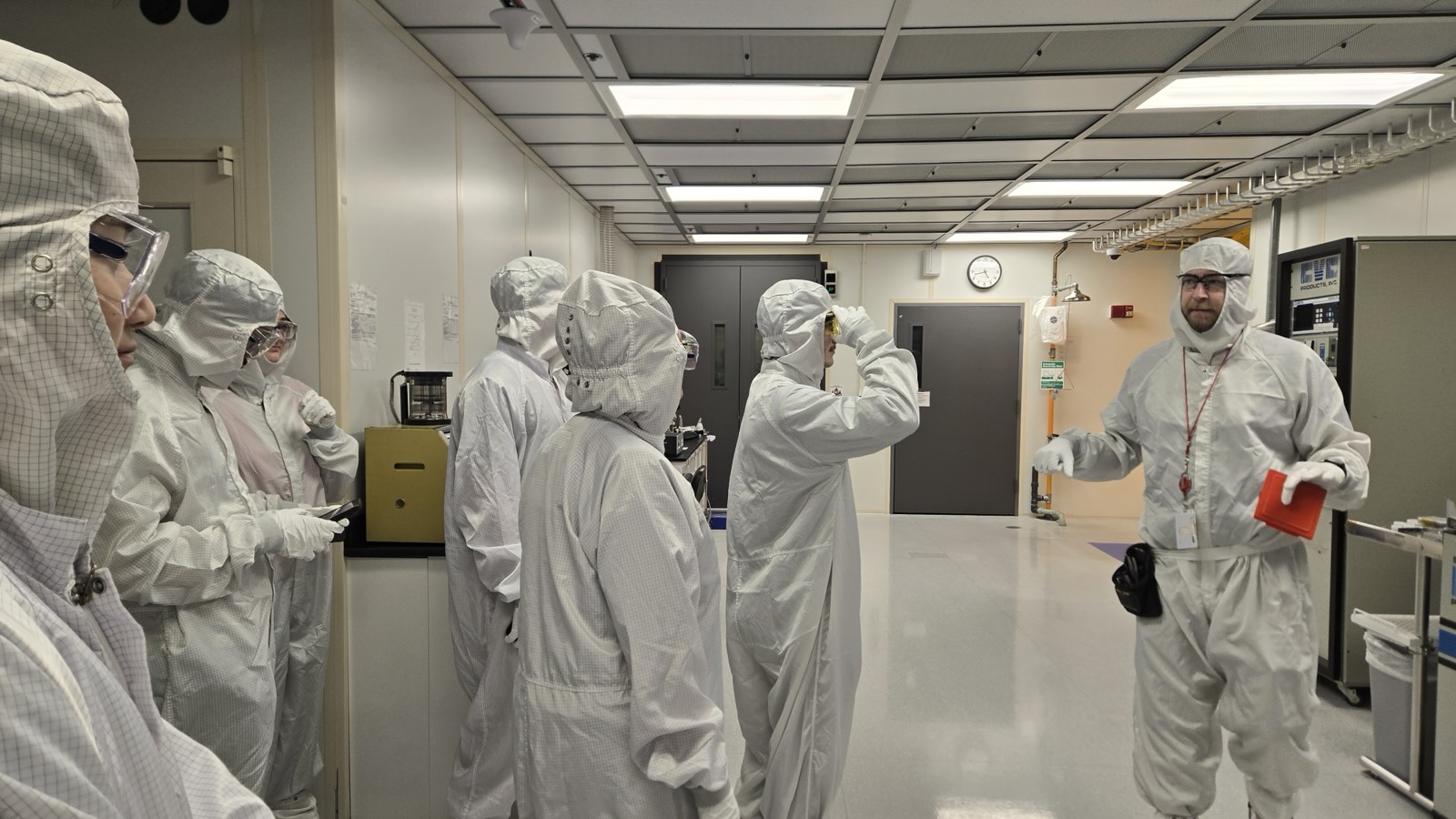
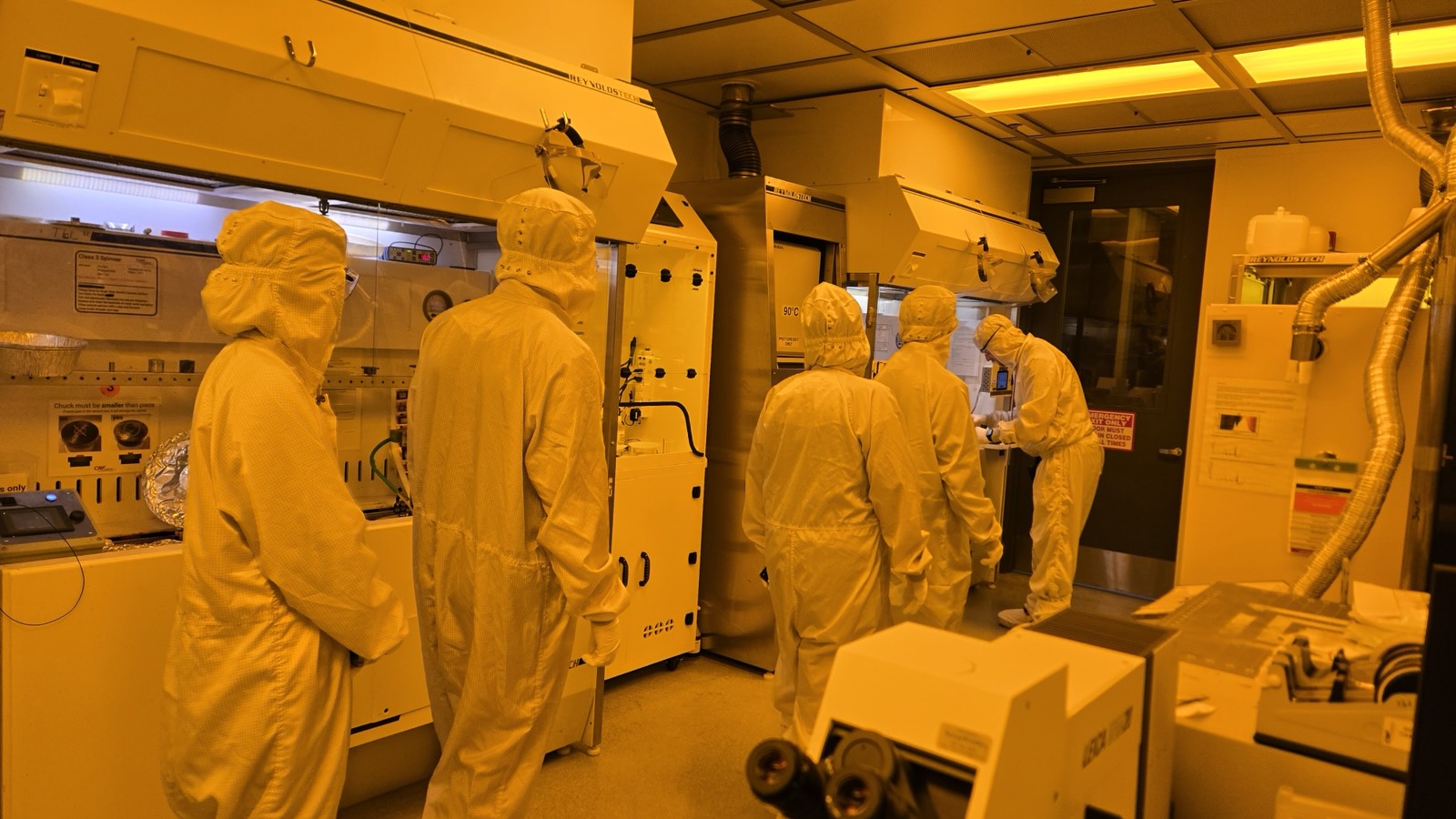
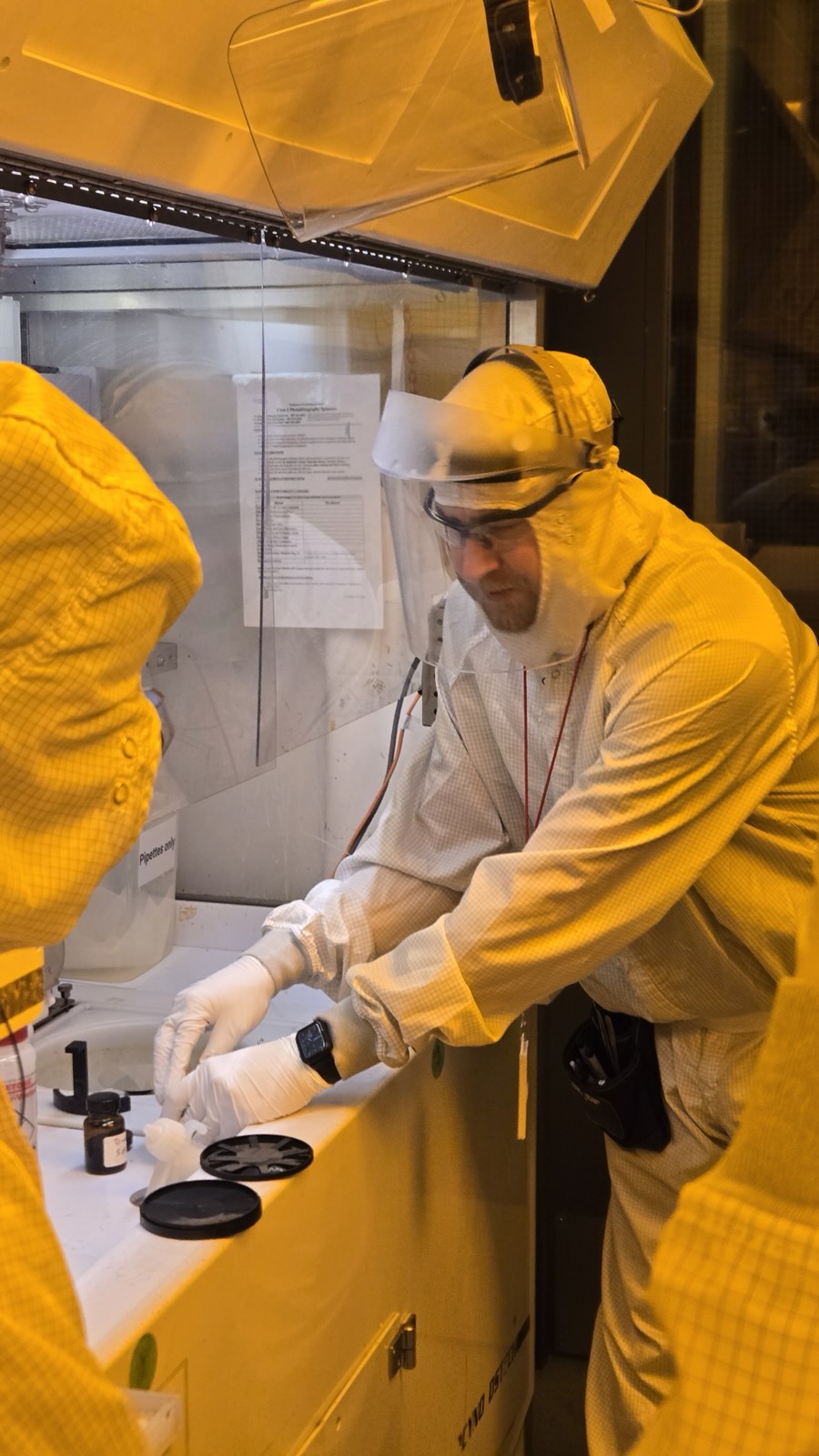
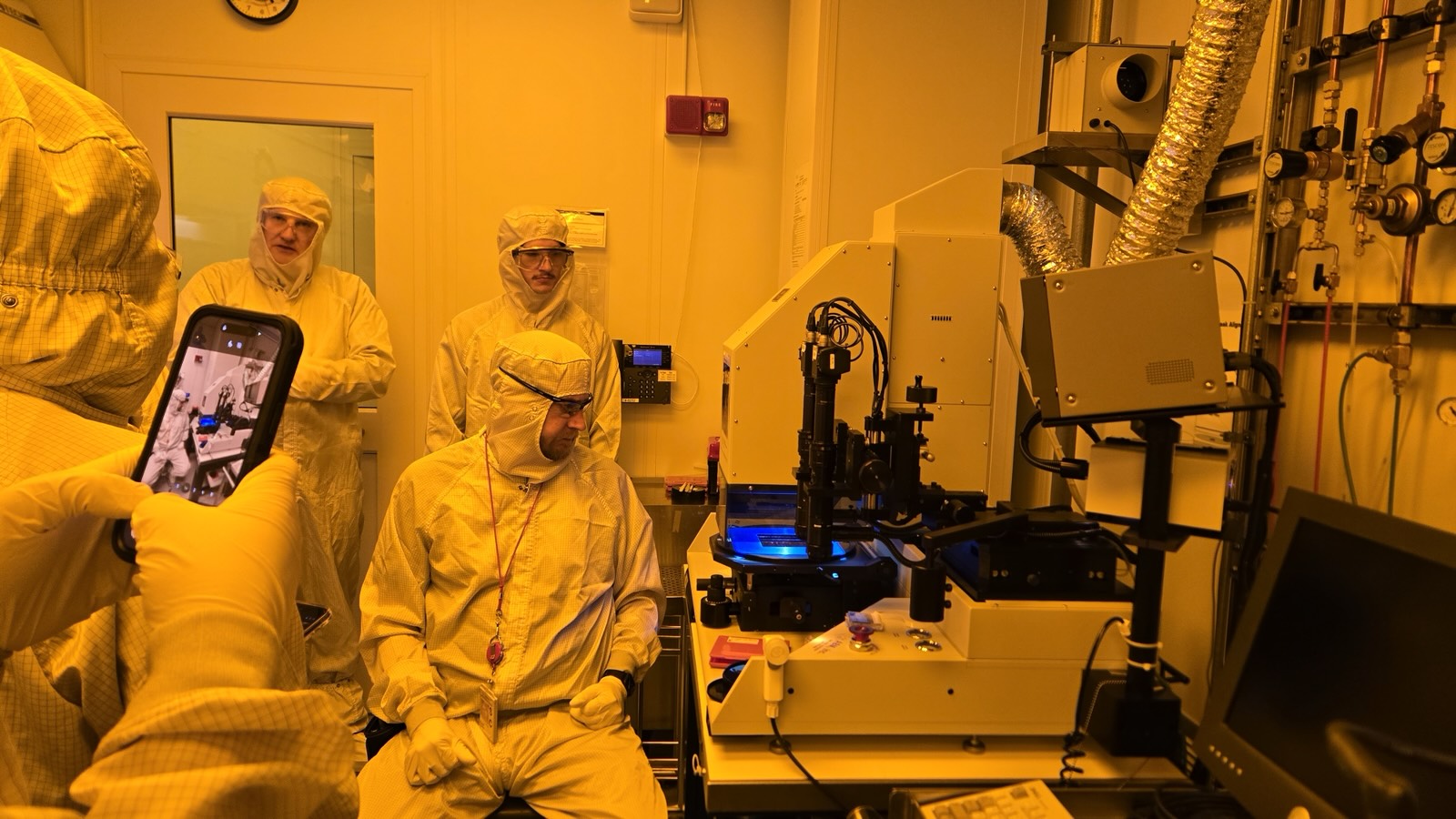
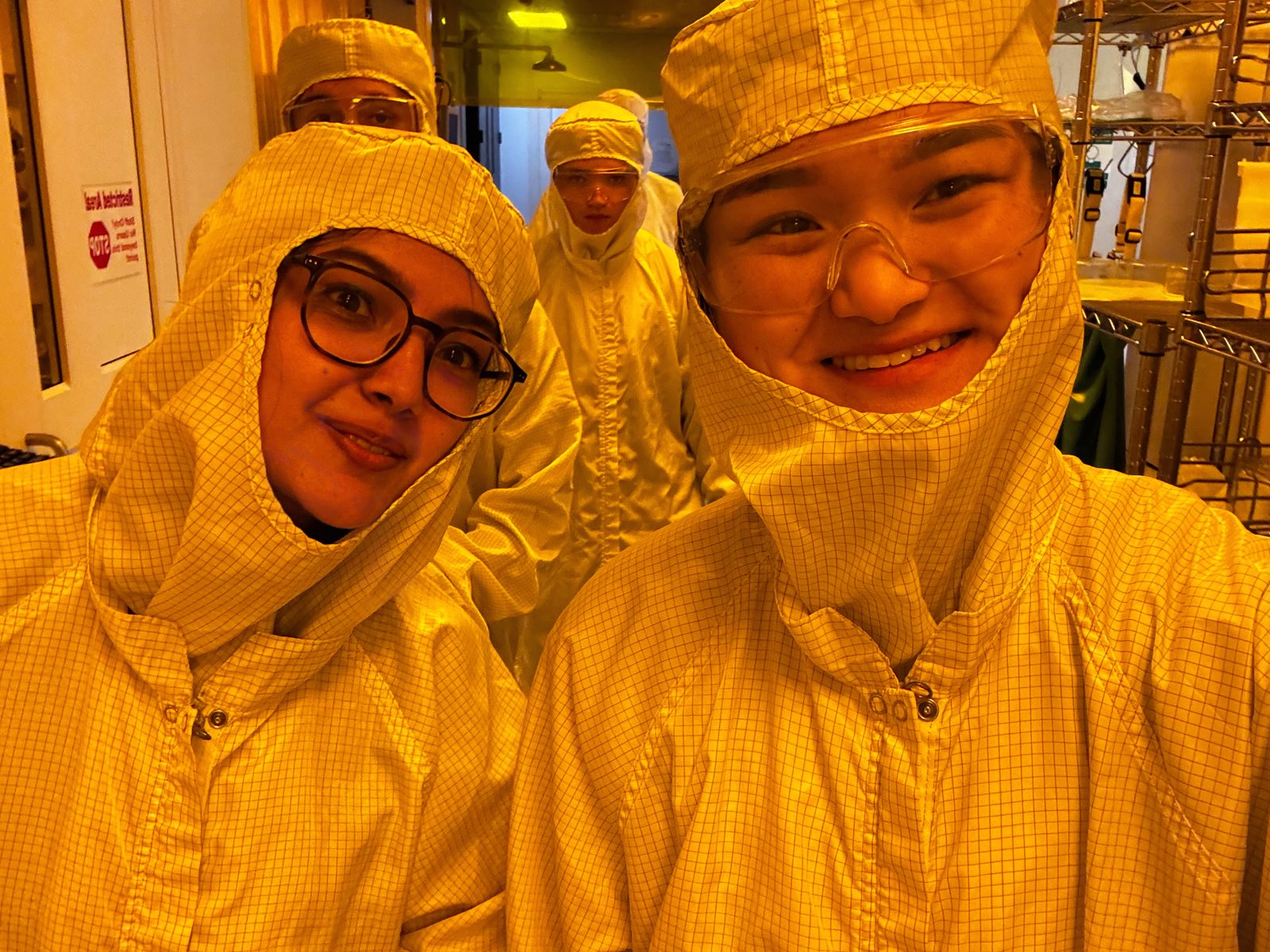
Inside a Real Chip-Making Cleanroom: Cornell NanoScale Facility

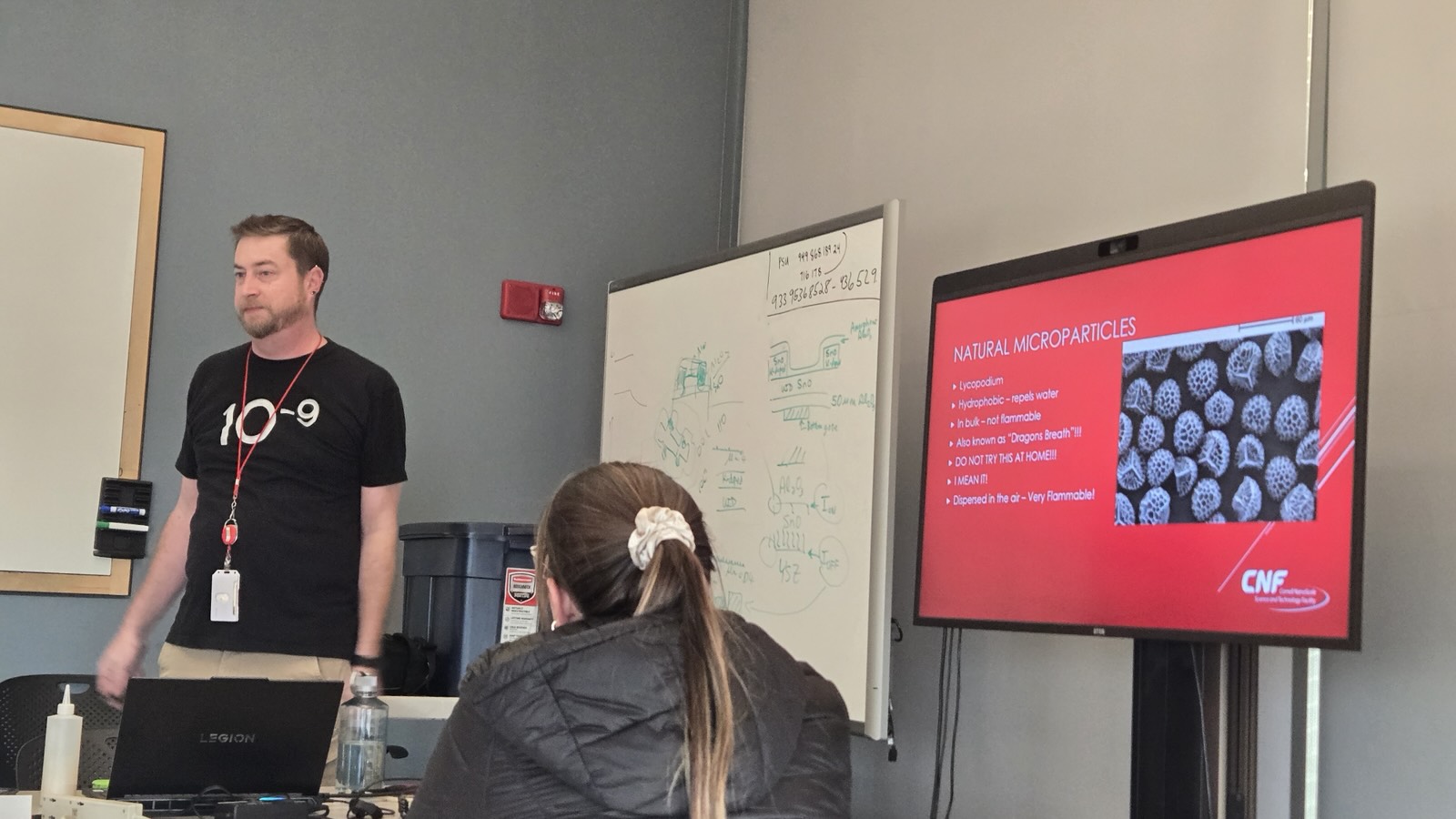
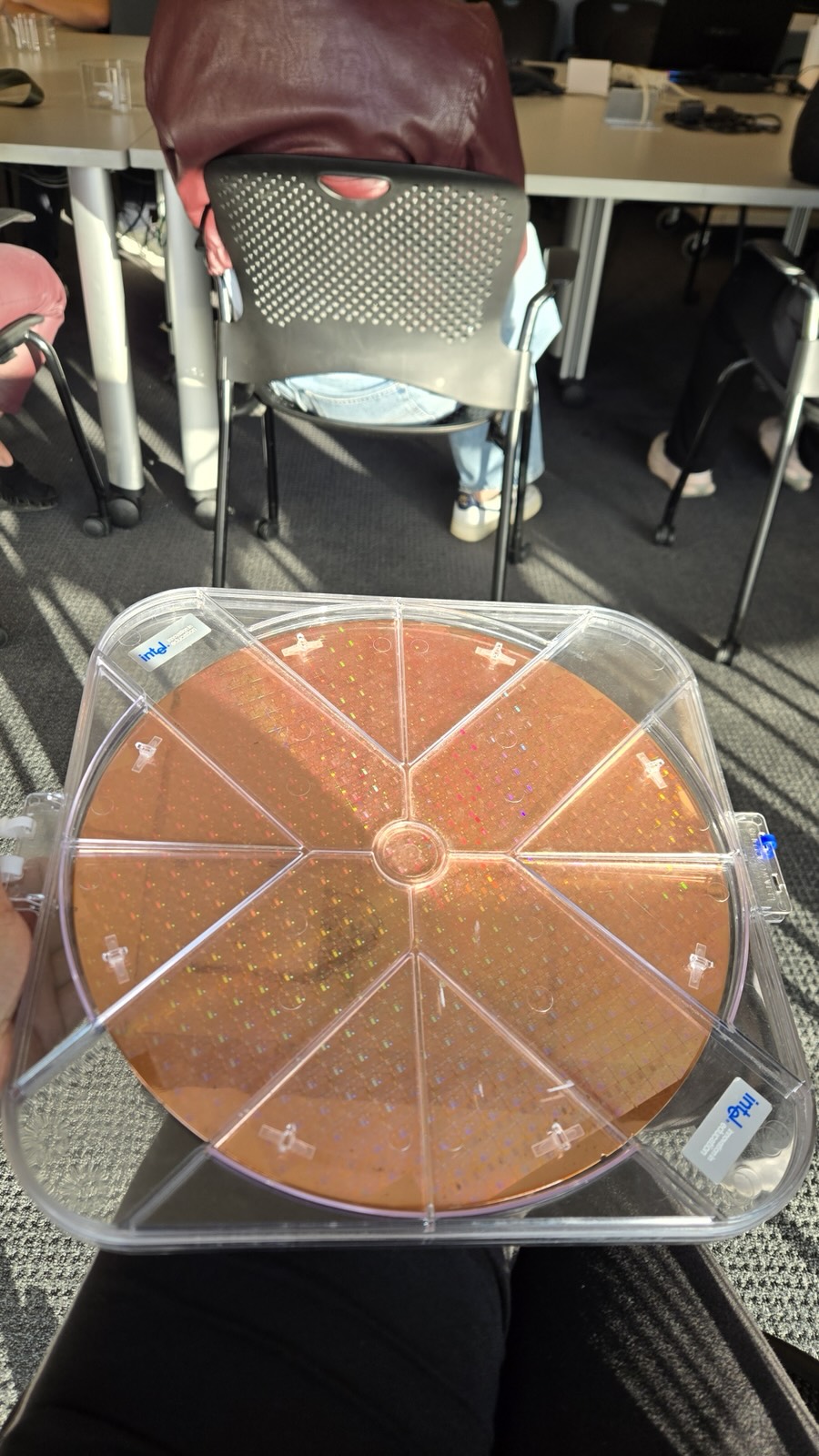
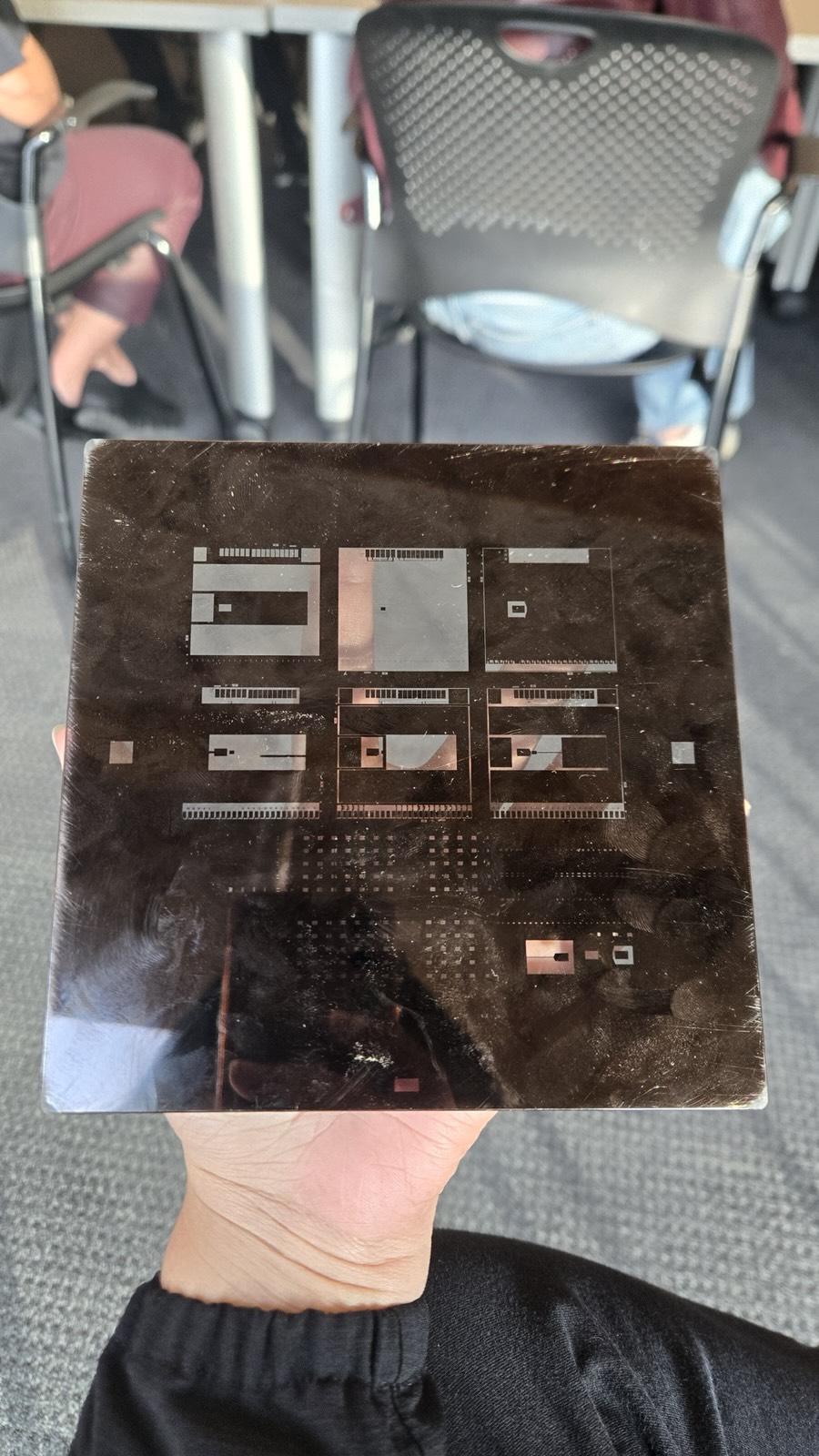
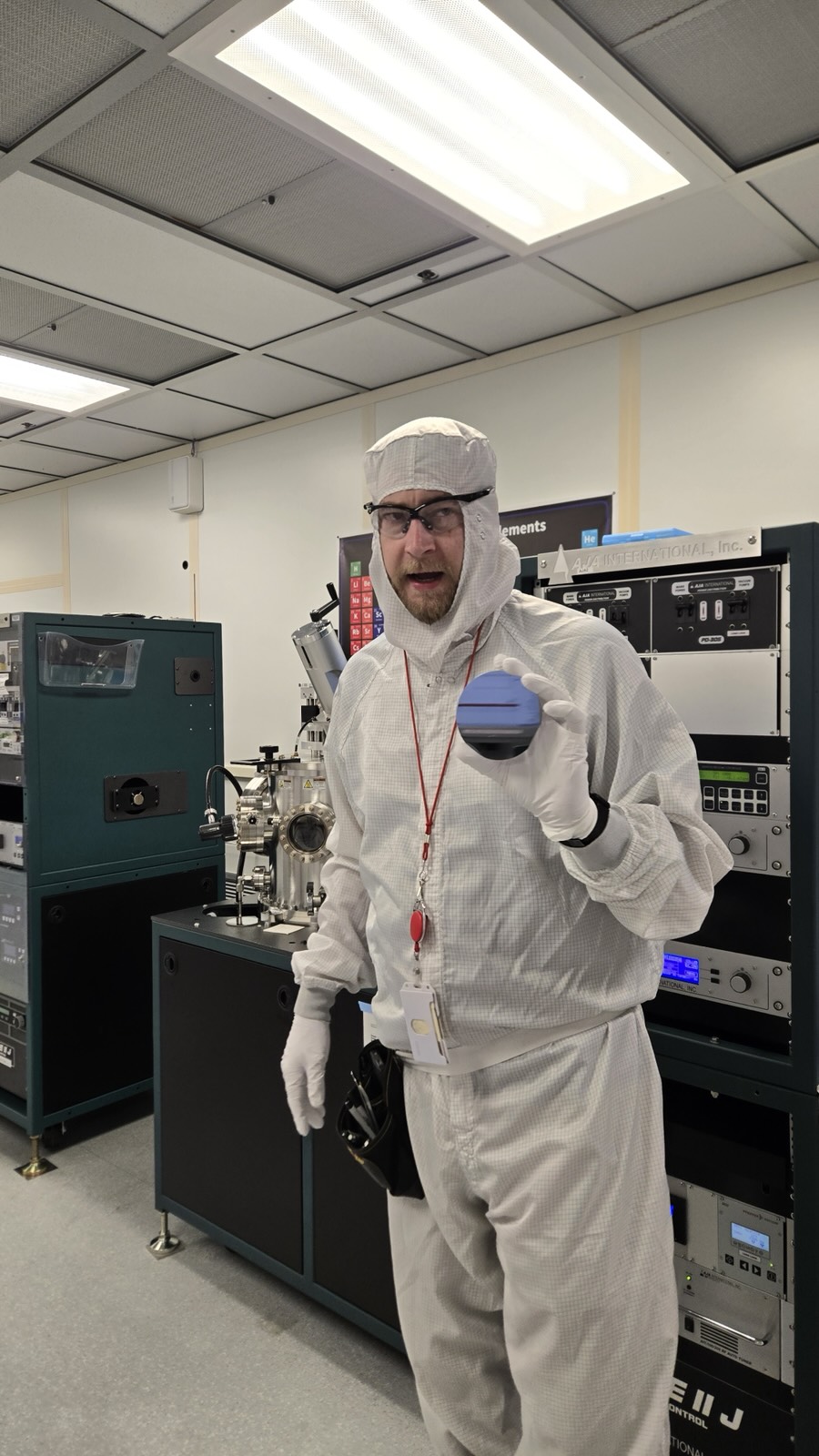
Q-SUCCEED-North students traveled to Cornell University to visit a cleanroom where real computer chips and tiny devices are made. After an introductory talk, they got a close look at a silicon wafer, the thin disk that chips are built on, and a photomask, a glass plate that works like a stencil for circuit designs.

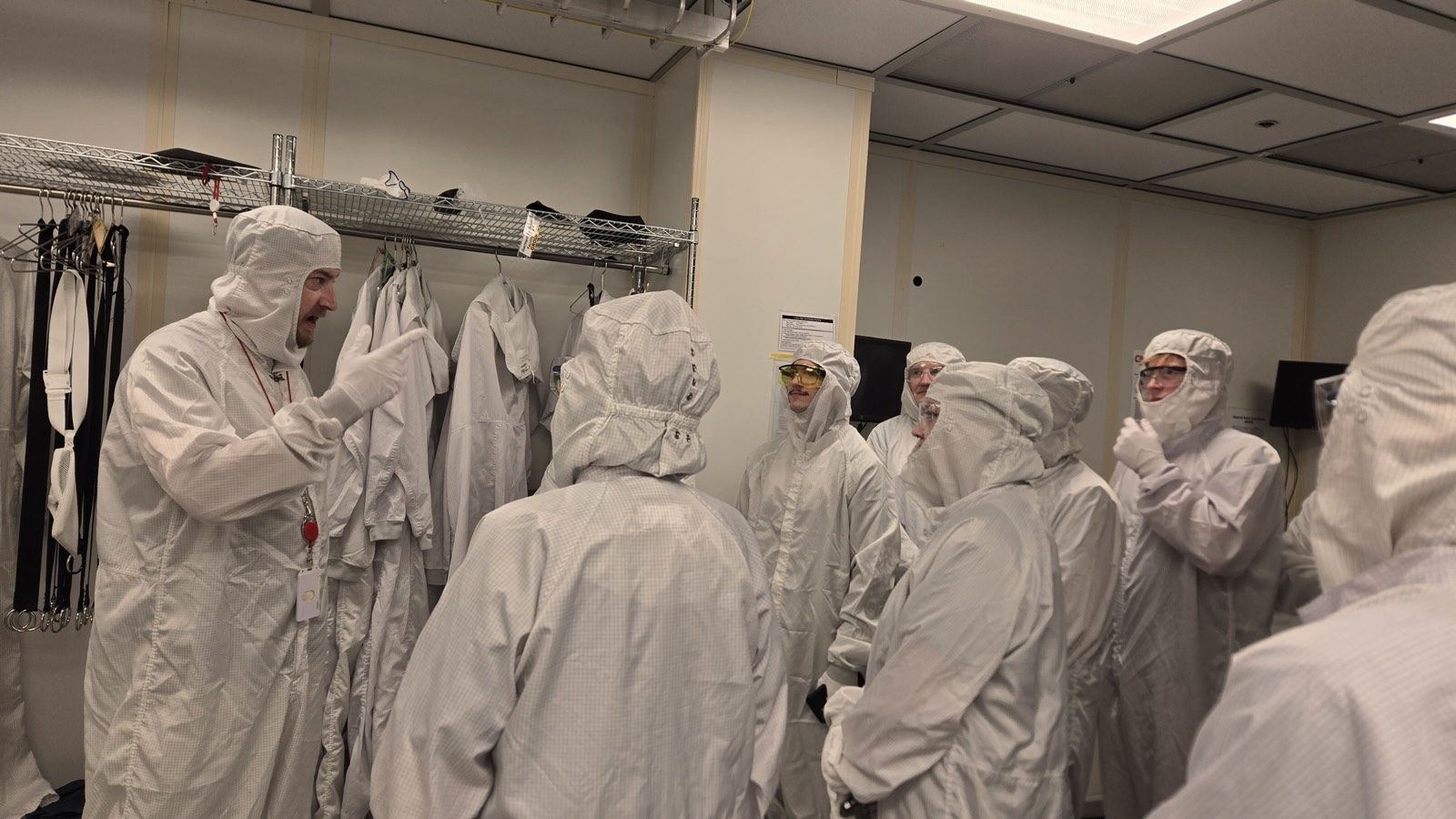
Students then put on full-body cleanroom suits and toured the facility with their guide, Tom Pennell, CNF’s education and outreach coordinator, learning how the cleanroom is kept almost free of dust and why that matters for making chips. He walked them through photolithography step by step: preparing the wafer, spinning on a thin light-sensitive coating, and shining UV light through the photomask to print tiny circuit patterns onto the silicon. In the yellow-lit part of the cleanroom, where the light is kept yellow so it won’t spoil the coating, they saw how masks are lined up with wafers under microscopes.

It was the same process students had tried in their own lab, where they coated glass slides on a homemade spinner and used a UV lamp to print a pattern. At Cornell, they saw how it’s done with professional equipment.